Effective Stress Management Techniques for Improving Men’s Health
As an Amazon Associate I earn from qualifying purchases.
Effective Stress Management Men’s Health: A Guide to Reclaiming Your Life
The weight of the world presses down on your shoulders. Your jaw is clenched, your neck is tight, and that low hum of anxiety never seems to shut off. I have been there. It feels like you are drowning in obligations, expectations, and the relentless grind of daily life. This is the reality for countless men who silently battle the crushing toll of chronic stress. But here is the hard truth: you cannot pour from an empty cup, and your health is the first thing to shatter when stress takes the wheel. This article is a lifeline. I am going to walk you through effective stress management men’s health strategies that are not just fluffy advice. These are actionable, researched-backed techniques to reduce stress and enhance overall well-being. We are going to tear down the walls of silence and build a fortress of resilience. Let us get started.
Understanding the Impact of Stress on Men’s Health
Stress is not just a feeling. It is a biological hurricane that ravages your body from the inside out. When I talk about stress management men’s health, I am talking about a fundamental battle for survival. Your body’s stress response, often called the “fight or flight” mechanism, releases a flood of cortisol and adrenaline. In short bursts, this is helpful. It helps you meet a deadline or avoid a car accident. But when this system is stuck in the “on” position, the consequences are devastating.
Let us look at the data. According to the American Psychological Association, men are less likely than women to report feeling stressed, yet they suffer higher rates of stress-related physical illnesses. This is a silent epidemic. Chronic stress directly contributes to hypertension, heart disease, and a weakened immune system. I have seen men in my own life who thought they were “handling it” only to end up in the hospital with a heart attack at fifty. The damage is real.
Furthermore, stress attacks your mental health with equal ferocity. It is a primary driver of anxiety and depression in men. Instead of reaching out, many men turn to unhealthy coping mechanisms. They drink more, they gamble, they isolate themselves. This behavior masks the problem while making it infinitely worse. The impact on your sleep is also catastrophic. You lie in bed, your mind racing, replaying every mistake and worrying about every tomorrow. This creates a vicious cycle where lack of sleep makes you more susceptible to stress, and stress ruins your sleep.
We must also consider the hormonal impact. High cortisol levels can suppress testosterone production. This leads to decreased libido, loss of muscle mass, increased body fat, and a general feeling of lethargy. You are not just tired. Your biology is betraying you because of unmanaged stress. This is why stress reduction techniques are not a luxury. They are a necessity for every man who wants to live a long, healthy, and vibrant life. Ignoring this is not strength. It is self-destruction.
Identifying Common Stressors in Men’s Lives
Before we can fix the problem, we have to name it. I have found that many men walk around with a vague sense of being overwhelmed but cannot pinpoint the source. The first step in any serious men’s health improvement journey is ruthless self-awareness. Let us break down the most common culprits that are stealing your peace.
Financial pressure is the elephant in the room. The constant worry about bills, mortgages, retirement savings, and providing for your family is a massive weight. A study by Northwestern Mutual found that financial stress is the number one source of stress for Americans, and men feel it acutely because of societal pressure to be the “provider.” That pressure never stops. It follows you to work and crawls into bed with you at night.
Career and work-life balance is another relentless beast. The modern workplace is a pressure cooker. You are expected to be always available, always productive, and always climbing the ladder. The fear of layoffs, the impossible deadlines, the toxic boss—these are daily assaults on your nervous system. I have seen men sacrifice their health for a promotion that never came. The pursuit of success can become a prison of your own making.
Relationship issues and family responsibilities are also major triggers. The strain of a difficult marriage, the challenges of raising children, or the pain of divorce can leave you feeling broken. Men are often taught to be the “rock,” to suppress their emotions and just fix things. But you cannot fix a broken heart with a tool kit. This emotional suppression is a slow poison. It builds up until it explodes or implodes.
Finally, we cannot ignore the pressure of social expectations. The “man box” tells us we must be stoic, strong, and self-sufficient. Asking for help is seen as weakness. Showing vulnerability is seen as failure. This isolation is a massive stressor. You carry your burdens alone because society told you that is what men do. This is a lie. Identifying these stressors is the first act of rebellion against a system that wants you to burn out quietly.
Proven Stress Management Techniques for Men
Now we get to the tactics. I am not going to tell you to just “take a deep breath” and call it a day. We need real, proven stress management techniques that fit into a man’s life. These are not soft skills. These are survival skills.
Time Management and Prioritization
One of the biggest sources of stress is feeling out of control. You can regain control by mastering your schedule. I recommend the “Eisenhower Matrix.” This tool helps you sort tasks into four categories: urgent and important, important but not urgent, urgent but not important, and neither. You focus on the important things that actually move the needle in your life. You delegate or eliminate the rest. This is not about being busy. It is about being effective. When you stop reacting to every fire and start building your own schedule, the pressure drops dramatically.
The Power of Saying “No”
This is a superpower that most men do not use. We are conditioned to say “yes” to every request. We want to be helpful, reliable, and indispensable. This is a trap. Every time you say “yes” to something you do not want to do, you say “no” to your own peace. I have learned that a clear, polite “no” is a form of self-respect. It protects your time and your energy. You do not need to over-explain yourself. “I cannot take that on right now” is a complete sentence. This single technique can cut your stress levels in half.
Journaling for Mental Clarity
I know, it sounds like something your girlfriend would do. But hear me out. Journaling is a powerful tool for men’s health improvement. It is a way to offload the mental clutter. When you write down your worries, you take them out of your head and put them on paper. This makes them feel more manageable. I recommend a “brain dump” every morning or evening. Write down everything that is bothering you, everything you need to do, and everything you are grateful for. This simple practice can reduce anxiety and improve your focus. It is a cheap, effective therapy session you give to yourself.
Setting Boundaries
Boundaries are the invisible fences that protect your mental space. This applies to work, family, and friends. Do not check work emails after 7 PM. Tell your friends you cannot hang out every weekend. Let your family know you need an hour of quiet time each day. These boundaries are not selfish. They are essential for long-term stress reduction techniques. Without them, you will be constantly drained by the demands of others. You have to protect your peace like a guard dog. No one else will do it for you.
Incorporating Physical Activity for Stress Reduction
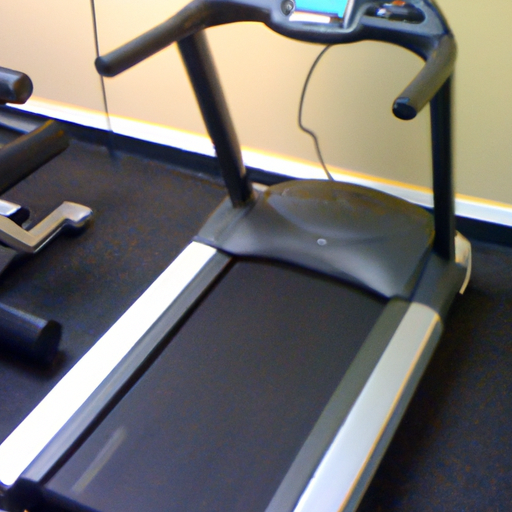
Your body is designed to move. When you are stressed, your body is flooded with energy chemicals that need to be released. If you sit still, that energy turns into tension, anxiety, and disease. Physical activity is the most powerful, natural stress reduction technique available to you. It is not optional. It is medicine.
Let us talk about the science. Exercise increases the production of endorphins, which are your brain’s feel-good neurotransmitters. It also reduces levels of the body’s stress hormones, such as adrenaline and cortisol. This is not a theory. This is proven biology. According to the Harvard Medical School guide on exercise for stress relief, even a single session of moderate exercise can have a calming effect that lasts for hours.
But what kind of exercise works best for men? I have found that variety is key. Lifting heavy weights is incredibly cathartic. There is something primal about picking up something heavy and putting it down. It builds physical strength and mental fortitude. The focus required to complete a heavy set of deadlifts leaves no room for worrying about your boss or your bills. It is a form of moving meditation.
High-Intensity Interval Training (HIIT) is another excellent option. Short bursts of intense effort followed by brief rest periods are fantastic for burning off aggressive energy. It mimics the “fight or flight” response in a controlled environment, teaching your body to handle stress more effectively. You emerge from a HIIT session feeling exhausted but deeply calm.
Do not underestimate the power of low-intensity activity either. Walking is a miracle drug. A twenty-minute walk outside can reset your entire nervous system. It is a simple, accessible way to clear your head. The key is consistency. You do not need to be a professional athlete. You need to move your body every single day. This is a non-negotiable pillar of stress management men’s health.
The Role of Nutrition in Managing Stress Levels
You are what you eat. This cliché is a profound truth when it comes to stress. The food you put into your body directly influences your mood, your energy levels, and your ability to cope with pressure. If you are fueling your body with garbage, your stress response will be chaotic and unmanageable.
First, we need to talk about the enemy: sugar and processed foods. These cause massive spikes and crashes in your blood sugar. A blood sugar crash mimics the symptoms of a panic attack: shakiness, irritability, dizziness, and anxiety. You are not actually stressed. You are hungry and eating the wrong things. Stabilizing your blood sugar is one of the most effective stress reduction techniques you can implement.
What should you eat instead? Focus on whole, nutrient-dense foods. Complex carbohydrates like oats, sweet potatoes, and quinoa provide a steady release of energy. They also boost serotonin production, which is a calming neurotransmitter. Lean proteins like chicken, fish, and eggs provide the amino acids your brain needs to produce dopamine and norepinephrine, which regulate mood and focus.
Healthy fats are also critical. Omega-3 fatty acids, found in salmon, walnuts, and flaxseeds, have been shown to reduce inflammation and lower cortisol levels. A study published in the journal Brain, Behavior, and Immunity found that medical students who took omega-3 supplements had a 20% reduction in anxiety compared to the placebo group. The evidence is clear.
Do not forget about hydration. Even mild dehydration can elevate cortisol levels. Your brain is about 75% water. When you are dehydrated, your brain has to work harder to perform simple tasks, which increases stress. Keep a water bottle on your desk and drink throughout the day. It is a simple, cheap, and effective way to support your nervous system. For a deeper dive into the connection between diet and mental health, I recommend reading the research from the American Psychiatric Association on nutrition and mental health.
Exploring Mindfulness and Meditation Practices for Men
I know what you are thinking. Meditation is for monks and yoga instructors. You are a busy man with real problems. You do not have time to sit cross-legged and hum. I hear you. But I am going to challenge you to rethink what mindfulness actually is. It is not about emptying your mind. It is about training your attention. It is a mental gym workout that builds the muscle of focus and calm.
Mindfulness is the practice of being present in the current moment without judgment. It is the opposite of the stress response, which is always worrying about the future or ruminating on the past. When you are mindful, you are not panicking about tomorrow’s meeting. You are just experiencing this moment. This is a profound shift that can dramatically improve your quality of life.
How do you start? I recommend a simple breathing technique called “Box Breathing.” This is used by Navy SEALs to stay calm in combat. Inhale for four seconds. Hold for four seconds. Exhale for four seconds. Hold for four seconds. Repeat for five minutes. That is it.
Amazon and the Amazon logo are trademarks of Amazon.com, Inc, or its affiliates.