Male Hormonal Health
As an Amazon Associate I earn from qualifying purchases.
In today’s fast-paced world, it’s easy for men to overlook the importance of their hormonal health. But if you want to feel your best, both physically and emotionally, taking care of your hormones is essential. From maintaining a healthy sex drive to supporting muscle growth and preventing fatigue, ensuring your hormones are balanced can have a profound impact on your overall well-being. In this article, we’ll explore the crucial aspects of male hormonal health and provide tips on how to keep your hormones in check. So, are you ready to optimize your vitality and become the healthiest version of yourself? Let’s dive into the world of male hormonal health.
Understanding Male Hormones
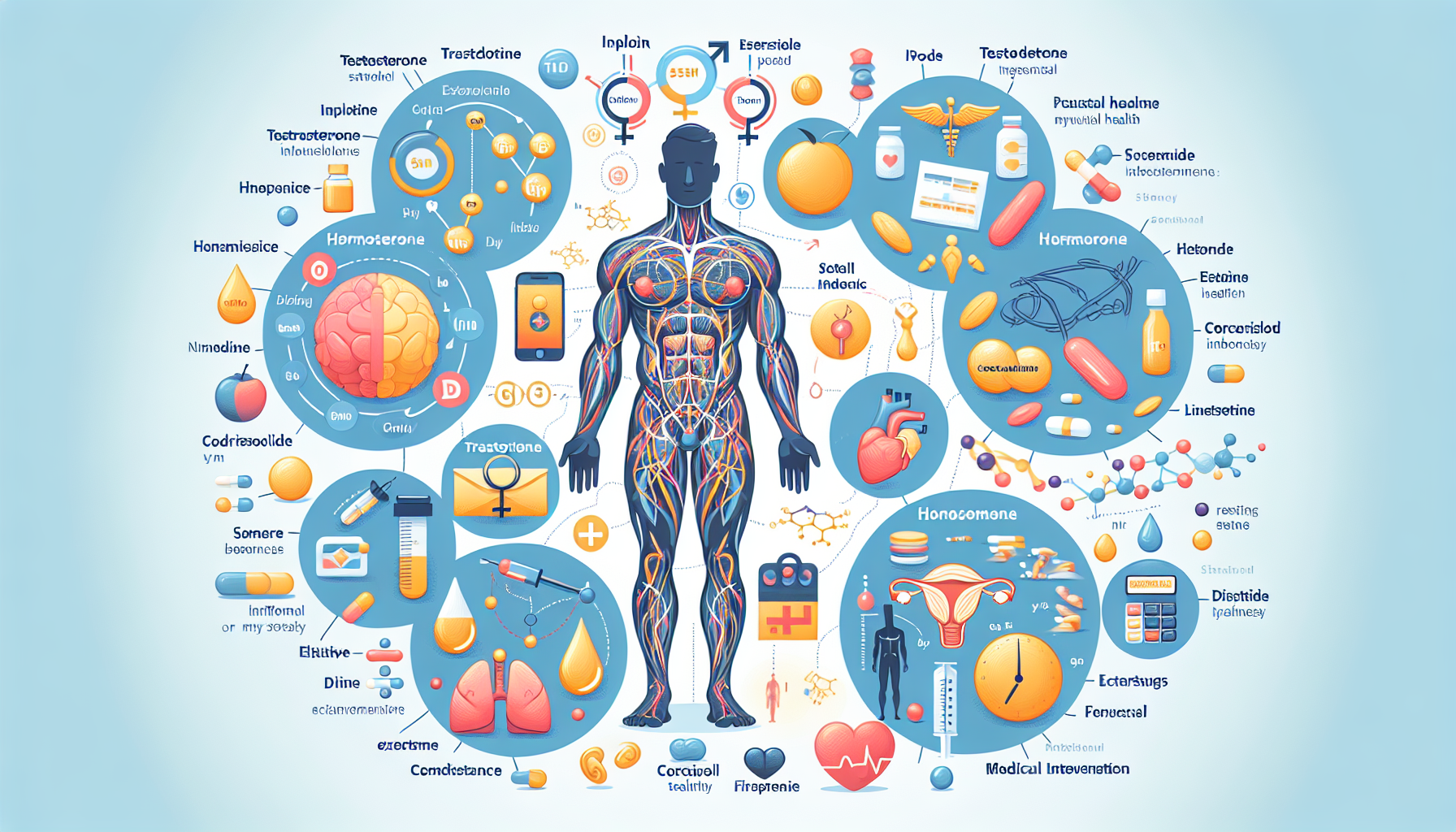
When it comes to understanding male hormonal health, it’s important to be knowledgeable about the different hormones that play a crucial role in the male body. These hormones are responsible for various functions and maintain a delicate balance necessary for overall well-being. The main hormones in males are testosterone, estrogen, progesterone, and cortisol.
Testosterone
Testosterone is often associated with masculinity and is the primary male sex hormone. It plays a vital role in the development and maintenance of male reproductive tissues, as well as promoting muscle and bone growth. Testosterone also influences sex drive, mood, and overall energy levels.
Estrogen
While estrogen is typically thought of as a female hormone, it is also present in males, although in smaller amounts. Estrogen helps regulate bone density, cholesterol levels, and plays a role in preserving cognitive function. Imbalances in estrogen levels can lead to health issues in males.
Progesterone
Progesterone is predominantly a female hormone, but it is also present in males at lower levels. It plays a role in regulating mood, supporting brain function, and promoting healthy sleep patterns. While progesterone is less abundant in males, imbalances in its levels can still impact overall well-being.
Cortisol
Cortisol is a stress hormone found in both males and females, although its levels may vary. It helps regulate blood sugar levels, metabolism, and the body’s response to stress. However, excessive levels of cortisol can disrupt the hormonal balance and have detrimental effects on male health.
Signs of Hormonal Imbalance in Males
Hormonal imbalances in males can manifest in various ways, and being aware of the signs can help identify potential issues early on. If you notice any of the following symptoms, it may indicate a hormonal imbalance that requires attention.
Low Libido
One of the primary indicators of a hormonal imbalance in males is a significant decrease in libido or sex drive. A decline in testosterone levels can lead to a loss of interest in sexual activity and may result in relationship issues.
Erectile Dysfunction
Hormonal imbalances can also contribute to erectile dysfunction, making it difficult to achieve or maintain an erection. This can be distressing for individuals and impact their confidence and overall well-being.
Mood Swings
Fluctuations in hormone levels can affect mood stability, leading to irritability, anxiety, or even depression. It’s crucial to recognize these mood swings as potential indicators of a hormonal imbalance and seek appropriate treatment.
Fatigue
Feeling constantly tired or experiencing unexplained fatigue can be a sign of hormonal imbalance in males. Hormones play a role in regulating energy levels, and when imbalances occur, it can result in persistent exhaustion.
Weight Gain
Hormonal imbalances can contribute to unexplained weight gain, particularly around the midsection. This can be frustrating for individuals who find it difficult to lose weight despite efforts to maintain a healthy lifestyle.
Causes of Hormonal Imbalance in Males
Understanding the causes of hormonal imbalance in males is essential to address and prevent such imbalances from occurring. While hormonal changes are a natural part of aging, several other factors can contribute to imbalances in male hormones.
Ageing
As men age, their hormone levels naturally decline. Testosterone levels, in particular, start decreasing after the age of 30 at a rate of about 1% per year. This gradual decline can lead to imbalances that affect overall health and well-being.
Obesity
Obesity is a significant risk factor for hormonal imbalances in males. Excess body fat can lead to increased estrogen production, which can disrupt the delicate hormonal balance in the male body. This vicious cycle can further contribute to weight gain and hormonal issues.
Unhealthy Diet
A poor diet lacking essential nutrients can impact hormone production and balance. Consuming excessive amounts of processed foods, sugary snacks, and unhealthy fats can disrupt hormonal function, leading to imbalances and related health problems.
Stress
Stress, whether from work, relationships, or other factors, can greatly impact hormone levels. Cortisol, the stress hormone, can become chronically elevated, leading to imbalances in other hormones. Chronic stress can have significant consequences on male hormonal health.
Lack of Physical Activity
A sedentary lifestyle can contribute to hormonal imbalances in males. Regular exercise is essential for hormone regulation and maintaining a healthy weight. Lack of physical activity can disrupt hormone production and contribute to imbalances.
Effects of Hormonal Imbalance on Male Health
Hormonal imbalances in males can have far-reaching effects on overall health and well-being. Understanding these potential effects is crucial for recognizing and addressing imbalances promptly.
Sexual Dysfunction
Hormonal imbalances can lead to various sexual dysfunctions, including low libido, erectile dysfunction, and difficulty achieving orgasm. These issues can significantly impact an individual’s self-esteem and intimate relationships.
Infertility
Imbalances in male hormones can also affect fertility. Low testosterone levels can lead to reduced sperm production and motility, making it more challenging to conceive. Seeking medical intervention and addressing hormonal imbalances is essential for couples trying to start a family.
Depression
Hormonal imbalances can contribute to feelings of depression or persistent low mood. The impact of imbalances on neurotransmitters in the brain can affect emotional well-being and may require a multi-faceted approach to treatment.
Bone Loss
Testosterone plays a crucial role in maintaining bone density. When testosterone levels are low, the risk of osteoporosis and bone fractures increases. Hormonal imbalances can accelerate bone loss, leading to long-term health complications.
Muscle Loss
Hormonal imbalances can contribute to muscle loss or muscle weakness in males. Reduced testosterone levels can hinder muscle development and maintenance, impacting strength and overall physical performance.
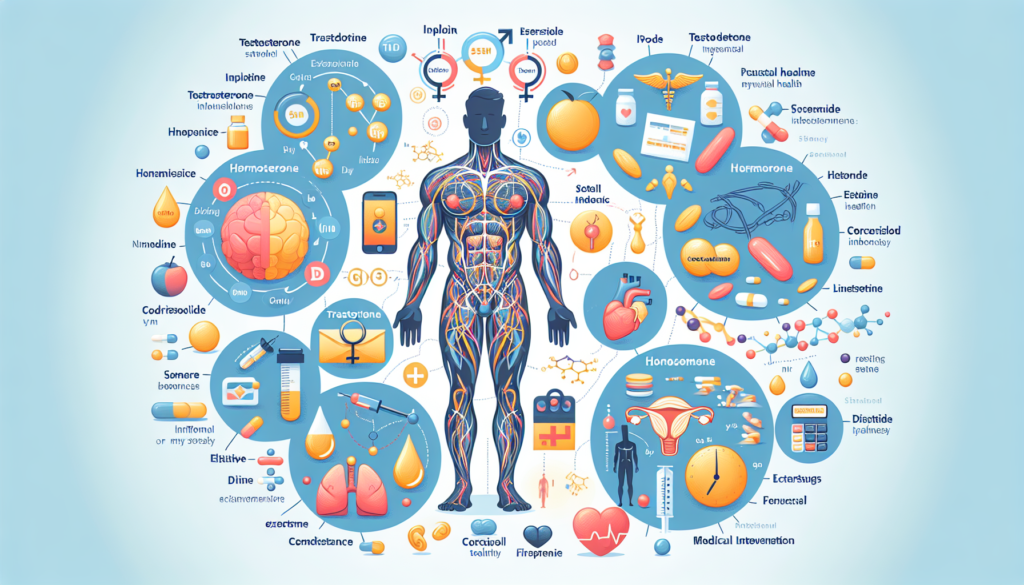
Diagnosing Male Hormonal Imbalance
To determine if a hormonal imbalance is present, a healthcare professional may conduct various diagnostic tests and examinations. These tests can help identify the specific hormonal imbalances and guide appropriate treatment.
Blood Tests
Blood tests are commonly used to measure hormone levels in the body. This may involve testing testosterone, estrogen, progesterone, cortisol, and other relevant hormones. Blood tests can provide an accurate assessment of hormone levels and any imbalances that may be present.
Symptom Analysis
A healthcare professional may also analyze the symptoms experienced by an individual to determine if a hormonal imbalance is likely. By discussing symptoms such as low libido, mood swings, fatigue, and weight gain, a clearer picture of potential imbalances can emerge.
Physical Examination
A physical examination, focusing on specific signs of hormone imbalance, can be conducted by a healthcare professional. This examination may include assessing body composition, muscle strength, and reproductive health. Physical examinations can provide additional insights into hormonal imbalances.
Treatment Options for Male Hormonal Imbalance
Fortunately, various treatment options are available to address hormonal imbalances in males. These options aim to restore hormonal balance and alleviate the associated symptoms and health concerns.
Hormone Replacement Therapy
Hormone replacement therapy (HRT) involves the use of medications or supplements to replace or supplement hormones that are deficient in the body. In the case of male hormonal imbalances, testosterone replacement therapy (TRT) is commonly used to restore testosterone levels. It can be administered through injections, patches, or gels.
Lifestyle Changes
Adopting a healthier lifestyle can have a significant impact on male hormonal health. Incorporating regular exercise, maintaining a balanced diet, managing stress levels, and getting adequate sleep can help restore hormonal balance and improve overall well-being.
Dietary Adjustments
Making specific dietary adjustments can support healthy hormone production and balance. Consuming a diet rich in lean protein, fruits, vegetables, whole grains, and healthy fats can help optimize hormone levels. Avoiding processed foods, sugary snacks, and excessive alcohol consumption is also vital.
Stress Management Techniques
Implementing stress management techniques can help reduce the impact of chronic stress on hormone levels. Techniques such as mindfulness meditation, deep breathing exercises, and engaging in activities that promote relaxation can help restore hormonal balance.
Testosterone Replacement Therapy
Testosterone replacement therapy (TRT) is a common approach to addressing low testosterone levels in males. It involves the use of medications or supplements to increase testosterone levels and restore hormonal balance. TRT can provide several benefits but also poses risks that need to be considered.
Benefits
The benefits of testosterone replacement therapy can include increased libido, improved erectile function, increased muscle mass, reduced body fat, improved mood, and increased bone density. TRT can significantly improve quality of life for individuals with low testosterone levels.
Risks
Testosterone replacement therapy does come with potential risks and side effects. These can include acne, fluid retention, increased risk of blood clots, decreased sperm production, sleep apnea, and an increased risk of prostate enlargement or prostate cancer. It’s crucial to discuss these risks with a healthcare professional before considering TRT.
Different Forms of TRT (Injections, Patches, Gels)
Testosterone replacement therapy can be administered in various forms, including injections, patches, and gels. Injections are typically administered every one to two weeks, while patches and gels are applied daily. Each form has its advantages and considerations, and the appropriate form will depend on individual needs and preferences.
Natural Ways to Improve Male Hormonal Health
In addition to medical interventions, there are various natural ways to improve male hormonal health. These lifestyle adjustments can support hormone production and balance and contribute to overall well-being.
Regular Exercise
Regular exercise, especially strength training and high-intensity interval training (HIIT), can help boost testosterone levels and promote overall hormonal balance. Aim for a combination of cardio and resistance exercises to optimize hormone production.
Healthy Diet
Consuming a nutrient-dense and balanced diet is crucial for maintaining healthy hormone levels. Incorporate lean protein sources, fruits, vegetables, whole grains, and healthy fats into your diet. Avoid excessive consumption of processed foods, sugary snacks, and unhealthy fats.
Adequate Sleep
Getting enough quality sleep is essential for hormone regulation and overall health. Aim for seven to nine hours of uninterrupted sleep each night, creating a sleep-friendly environment and adopting a consistent sleep routine to optimize hormone production.
Reducing Stress
Finding healthy ways to manage stress is crucial for maintaining hormonal balance. Engage in stress-relieving activities such as mindfulness meditation, yoga, hobbies, or spending time in nature. Prioritize self-care and ensure you have time to relax and recharge.
Preventing Hormonal Imbalance in Males
Taking proactive steps to prevent hormonal imbalance is key to maintaining optimal male hormonal health. By incorporating healthy habits and making positive lifestyle changes, you can mitigate the risk of hormonal imbalances and their associated health issues.
Maintaining a Healthy Weight
Maintaining a healthy weight through regular exercise and a balanced diet can help prevent hormonal imbalances. Avoid excessive body fat, as it can disrupt hormone production and contribute to imbalances.
Balanced Diet
A balanced diet, rich in essential nutrients, is essential for hormone production and balance. Focus on whole, unprocessed foods and prioritize a variety of fruits, vegetables, lean proteins, whole grains, and healthy fats.
Regular Exercise
Exercise plays a crucial role in hormone production and balance. Engage in regular physical activity that incorporates both cardiovascular exercise and strength training to support optimal hormonal health.
Stress Management
Prioritizing effective stress management techniques can help prevent hormonal imbalances. Identify and address sources of stress in your life, and implement stress-relieving activities to promote hormonal balance.
Conclusion
Understanding male hormonal health is crucial for overall well-being. Hormone imbalances in males can have significant effects on sexual function, mood, energy levels, and overall health. By recognizing the signs, understanding the causes, and pursuing appropriate treatment options, individuals can restore hormonal balance and improve their quality of life. Incorporating natural lifestyle adjustments, such as regular exercise, a healthy diet, adequate sleep, and stress management techniques, can also support optimal male hormonal health. By taking proactive steps to prevent imbalances and prioritize hormonal health, individuals can enhance their overall well-being and lead fulfilling lives.
Amazon and the Amazon logo are trademarks of Amazon.com, Inc, or its affiliates.