What Is The Soleus Muscle And How Does Help With Blood Sugar
As an Amazon Associate I earn from qualifying purchases.
What is the soleus muscle and how does help with blood sugar?
You use your calves every day. But one deep calf muscle does much more than help you stand. It also helps keep sugar steady in your blood. If you want to know what the soleus muscle is and how it helps your blood sugar, this guide walks you through the key facts in clear, simple steps.
Meet the soleus: a quiet workhorse in your lower leg
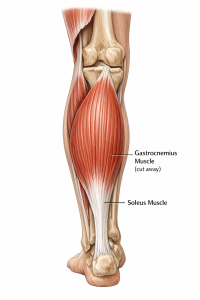
The soleus sits under your larger calf muscle (the gastrocnemius). It starts behind your shin bones and anchors into your heel with the Achilles tendon. It fires most when your knee is bent. That makes it a steady helper when you sit, stand, or walk.
Unlike big “power” muscles, the soleus is built for long, low effort. It has many slow-twitch fibers. These fibers use oxygen well and keep going without tiring fast. Think of it as a small engine that hums along for hours. That steady hum is useful for your heart, your energy, and your blood sugar.
Why the soleus matters for sugar control
When the soleus contracts, it pulls sugar (glucose) out of your blood to use as fuel. It can do this even when the effort is light. That makes it a smart target when you want to blunt big swings after meals.
- Gentle, steady moves from this muscle help your body use sugar without needing more insulin.
- Small bouts of motion across the day can support insulin sensitivity.
- Because the muscle is active at rest-level effort, it fits well into busy, sit-heavy days.
The soleus also acts like a “calf pump.” Each squeeze helps push blood back up to your heart. Better flow means more sugar and fat reach working muscle cells. Your body can then burn that fuel for energy instead of letting it sit in the bloodstream.
How muscle pulls in sugar during light movement
Muscle cells have tiny “doors” that let sugar in. When a muscle works, even a little, more doors move to the cell surface. More doors mean more sugar can enter and get used. This process can happen with very low effort and does not always need extra insulin. That is good news if you sit a lot or want support between workouts.
Easy ways to wake up your soleus during the day
You do not need a gym or special gear. These simple moves put the soleus to work with safe, low effort.
- Seated heel raises (bent-knee calf raises)
Sit tall with knees bent at 90 degrees and feet flat. Lift your heels while keeping toes on the floor. Pause at the top. Lower slowly. Aim for smooth, steady reps. Add a backpack or light weight on your knees if it feels easy. - Standing bent-knee raises
Hold a chair or desk. Bend your knees slightly. Lift and lower your heels in a steady rhythm. Keep the bend the same the whole time to target the soleus. - Mini marches at your desk
Alternate lifting heels and toes while seated. Keep the motion small and constant for 2 to 5 minutes. - Short walks
Walk at an easy pace for 5 to 10 minutes, especially after meals. A light stroll wakes up the soleus and smooths the sugar curve. - “Soleus push” style pulses
While seated, keep your toes down, lift the heel high, then relax fully between reps. Use a calm, repeatable tempo. The key is full heel rise and full release each time.
How often to do it
- 2 to 5 minutes every 30 to 60 minutes of sitting.
- 10 to 15 minutes within an hour after meals.
- Set small cues: do a set after emails, calls, or coffee breaks.
Form tips for better results
- Posture: Sit tall with feet under your knees. Keep your core relaxed and shoulders down.
- Range: Lift heels as high as you can without pain. Lower slowly to the floor.
- Rhythm: Use a smooth tempo you can keep for minutes, not seconds.
- Load: If it feels too easy, place a book or bag across your knees while seated.
- Shoes: Flat, flexible shoes help you feel the floor. Barefoot at home works well too.
- Comfort: If you feel sharp pain in the heel, Achilles, or calf, pause and lighten the effort.
Who may benefit the most
- Desk workers who sit for long blocks.
- People who see big sugar spikes after meals.
- Older adults who want steady energy without high-impact exercise.
- Travelers on long flights or drives.
- Anyone working on insulin sensitivity under a clinician’s care.
If you have a foot or calf injury, severe neuropathy, or vascular disease, talk with a health professional before starting a new routine.
Simple weekly plan to try
- Day 1: Learn the motion. Do 3 sets of 1 minute seated heel raises, twice today.
- Day 2: Add a post-meal stroll. 5 minutes after lunch and dinner.
- Day 3: Do 2-minute desk pulses every hour for your longest 4 sitting blocks.
- Day 4: Add light load on your knees for one seated session (book or bag).
- Day 5: Mix in standing bent-knee raises: 3 sets of 15 slow reps.
- Day 6: Pair moves with snacks: 1 to 2 minutes before and 1 to 2 minutes after you eat.
- Day 7: Review how you feel. Note energy, focus, and any changes in post-meal dips.
How this supports your whole body
- Steadier blood sugar: Gentle, frequent motion helps your muscles soak up sugar.
- Less “afternoon crash”: More stable sugar can mean fewer energy dips.
- Better circulation: The calf pump helps return blood to the heart.
- Joint-friendly movement: Low impact and easy on knees and hips.
Smart ways to track progress
- Note how you feel 1 to 2 hours after meals on days you move versus days you do not.
- If you use a glucose meter or CGM, compare post-meal numbers with and without these moves.
- Count total “movement snacks” per day. Aim to increase by one or two each week.
Quick answers people ask
- Do I need to sweat? No. Light, steady work from the soleus is the goal.
- Can this replace my workouts? No. Keep cardio, strength, sleep, and balanced meals. Think of this as a powerful add-on.
- How fast will I notice changes? You may feel warmer calves and better focus right away. Sugar changes vary by person. Track for two weeks.
- Is it safe with diabetes? Often, yes, as a light movement practice. Check with your care team, especially if you have foot issues or neuropathy.
Key takeaways you can use today
- The soleus is a deep calf muscle built for long, low effort.
- Frequent small moves help it pull sugar from your blood, even without hard exercise.
- Short sets during the day, and right after meals, can support steadier glucose.
- Form, rhythm, and comfort matter more than speed or heavy loads.
A short script you can follow
Every hour you sit, do 2 minutes of seated heel raises. After lunch and dinner, walk 5 to 10 minutes or do 3 minutes of soleus pulses. Keep the motion smooth and pain-free. Build the habit first. Add time or light load only if it still feels easy.
When you understand what the soleus muscle is and how it helps your blood sugar, you can use simple, gentle moves to feel better each day. Small actions, done often, add up. Start with two minutes now. Your calves—and your energy—will thank you.
Anatomy and function: why the soleus is a slow‑twitch metabolic powerhouse
You use it all day, but you rarely think about it. The soleus is the deep calf muscle that helps you stand, walk, and keep your blood moving. You may wonder, what is the soleus muscle and how does help with blood sugar? The short answer: it is a small, steady worker that burns fuel for hours and pulls sugar from your blood while you sit, stand, or stroll. That steady burn makes it a quiet star for metabolic health.
Where this hidden calf muscle lives and how it works
The soleus sits under the gastrocnemius (the big, bulgy calf). It starts on the back of your lower leg bones and joins the Achilles tendon. When it squeezes, it points your toes and helps you push the ground away. It also holds your ankle steady when you stand. Think of it as your body’s “anti-gravity” helper. It works most when your knee is bent, like when you sit or walk slow.
Built for long, easy work
The soleus is rich in slow-twitch fibers. These fibers do not tire fast. They have many tiny power plants called mitochondria. They also have a big blood supply. This lets the muscle use oxygen well. It sips fuel, not gulps it. Because of this, the soleus can stay on for long periods. You feel it less, yet it keeps doing its job in the background.
Why this muscle is a metabolic powerhouse
The soleus does not chase max power. It chases steady output. That steady output matters for your blood and your energy use all day.
- High duty cycle: It is active for many hours, even at rest and during light moves.
- Oxygen-driven burn: It favors fat and blood-borne fuels over quick sugar dumps.
- Capillary rich: Dense blood flow lets it pull glucose from the blood with ease.
- Heat and flow: Its pump action helps move blood back to the heart, which may aid nutrient delivery.
In simple terms, it is like a hybrid car engine. It runs clean and long, not fast and loud.
How the soleus helps control blood sugar
Active muscle can take up glucose in two ways: with insulin and with movement itself. When the soleus contracts, it can pull glucose into the cell even without extra insulin. This is called contraction-driven glucose uptake. Because the soleus fires often, it can act like a slow, steady sink for blood sugar through the day.
- After meals: Gentle soleus work can blunt post-meal spikes by soaking up some glucose.
- While you sit: Small heel raises or “soleus pumps” keep the muscle on and support glucose use.
- With training: Over time, you may see better insulin sensitivity because your muscle handles fuel better.
Research suggests that frequent, low-intensity soleus activity during sitting can lower post-meal glucose and improve fat use. It will not replace medical care. But it can be a simple, daily tool that fits into real life.
Key ways this muscle supports glucose control
- Contraction-based uptake: Movement opens glucose doors in the cell.
- Big time-on-task: Hours of light work add up to a lot of sugar handled.
- Fuel choice: A steady, oxygen-rich burn spares quick sugar dumps and supports even energy.
- Circulation aid: Better blood flow helps move glucose to working fibers.
Simple ways to target the soleus
You can train it with small, frequent moves. Focus on bent-knee work. This puts more load on the soleus than on the big outer calf.
Moves you can use today
- Seated heel raises: Sit tall, knees bent at 90°. Lift heels high, lower slow. Aim for smooth reps.
- Standing bent-knee calf raises: Soften your knees, rise on your toes, pause, then lower.
- Desk “soleus pumps”: While seated, tap or pulse your heels up and down for 1–2 minutes every hour.
- Post-meal stroll: 10–15 minutes of easy walking turns on the soleus and helps trim sugar peaks.
- Seated calf raise machine: Use light to moderate load, high reps, steady tempo.
Easy routine ideas
- Snack on movement: Do 60–90 seconds of heel raises each hour you sit.
- Daily set: 3 sets of 15–25 seated heel raises, slow and controlled, on most days.
- Meal helper: Walk 10 minutes after lunch and dinner; add 1–2 minutes of heel pulses at the end.
Form tips for better results
- Keep the knee bent to bias the soleus over the outer calf.
- Go through full range: Lift high on the ball of your foot and lower under control.
- Tempo matters: Use a smooth 2–3 second lift and 2–3 second lower. Avoid bouncing.
- Breathe easy: Do not hold your breath; steady breathing supports oxygen use.
- Stay frequent: Many small bouts beat one long session for all-day glucose support.
Safety and recovery
Start light. Your Achilles tendon shares the load. Build up slowly. If you feel sharp pain, stop and rest. If you have foot ulcers, severe neuropathy, or vascular disease, talk with your clinician before you begin any new routine.
Answers to common questions
What is the soleus muscle and how does help with blood sugar?
It is a deep calf muscle that works for long periods. When it contracts, it pulls glucose from your blood. Because it stays active during light moves and sitting, it can help trim sugar swings across the day.
Can this help if I sit a lot for work?
Yes. Small, hourly heel raises or short walks keep the soleus on. That can support better glucose control while you work at a desk.
Will training the soleus make my calves huge?
Not likely. Slow-twitch work builds endurance and metabolic health more than size. You may see better shape and support, not bulk.
How soon might I notice changes?
Some people notice steadier post-meal energy within days. Bigger changes, like fitness and insulin sensitivity, build over weeks of steady practice.
Your soleus is small but mighty. Use it often. Move it gently. Let this slow-twitch engine do what it does best: steady work that supports steady blood sugar, day after day.
Mechanisms of glucose control: soleus-driven glucose uptake and fat oxidation
The small calf muscle with big metabolic power
Your soleus sits deep in your calf. It runs from the back of your lower leg bones and joins the Achilles tendon. You use it all day to stand, walk, and keep balance. It loves slow, steady work. It is rich in mitochondria, the tiny power plants in muscle. That makes it a quiet, steady engine for your metabolism.
Many people ask what is the soleus muscle and how does help with blood sugar. The short answer: it pulls sugar from your blood and burns fat while you stay lightly active. It does this even at low effort. That is why this small muscle can have a big effect when you sit for long hours.
what is the soleus muscle and how does help with blood sugar
This muscle is a slow-twitch star. Slow-twitch fibers can work for long periods. They prefer oxygen-rich fuel use. When your soleus contracts, it opens doors that let glucose move from your blood into the muscle. Over time, this helps steady your blood sugar after meals. It also boosts your body’s use of fat at rest.
The pathway: from sugar in blood to fuel in muscle
- Light movement turns on the soleus. Signals inside the cell rise, like calcium and energy sensors.
- These signals tell GLUT4 “doors” to move to the cell surface. Think of GLUT4 as gates that let sugar in.
- More blood flows to the calf when the soleus pumps. Better flow means more glucose can reach the muscle.
- The soleus uses that glucose for steady work. It does not drain its own glycogen much during low effort. So it relies more on the sugar in your blood.
This pathway does not need large spikes in insulin. So the muscle can take up sugar even when insulin is low or your body is less sensitive to it. Over time, that can support better insulin action too. For many people, this is a simple way to smooth post-meal blood sugar.
Why fat oxidation rises when the soleus works
The soleus has many mitochondria. It is built to burn fat for long, easy efforts. When you keep it gently active, it pulls fatty acids from your blood and from stores in the muscle. Enzymes that handle fat are strong in the soleus. This helps break down fat and feed it into the energy cycle.
- Steady contractions increase fat use without heavy strain.
- They support “metabolic flexibility,” your body’s skill to switch between carbs and fat.
- They may help lower the fat buildup that can stress the liver and other tissues over time.
Here is the key idea: the soleus likes to sip fuel often. Give it frequent, light work and it will sip both sugar and fat. That takes pressure off your blood sugar and your fat stores.
How this helps during long sitting
Sitting shuts down many large muscles. Blood sugar tends to rise more after meals when you sit for hours. Gentle soleus activity can change that. Even while seated, small calf movements wake the muscle. This boosts glucose uptake in real time and raises fat burn. You can do this without getting sweaty or out of breath.
- After a carb-heavy meal, light soleus work can help curb a sharp spike.
- Across the day, frequent bouts support steadier energy levels.
- At night, calmer glucose swings may support better sleep for some people.
Early research suggests targeted soleus contractions can have strong effects, even with low effort. Results vary by person. Still, the method is simple, free, and easy to test.
Simple ways to activate your soleus
- Seated heel raises: Sit tall with knees bent. Keep the ball of your foot on the floor. Lift and lower your heel in small, smooth pulses. Aim for 1–3 minutes, several times a day.
- Standing calf rocks: Stand and shift weight from heel to forefoot without jumping. Keep it gentle. Breathe easy.
- Mini walk breaks: Every 30–60 minutes, take a 2–3 minute walk. Short, frequent moves beat one long session for this goal.
- Balance holds: Stand on one foot near a wall or chair for support. Tiny ankle moves will wake the soleus.
Pick what feels good for your joints. You should feel your calf work, not strain. If you have foot, Achilles, or calf pain, talk with a clinician first.
Signals that your plan is working
- Your legs feel warmer during pulses or walks.
- You notice fewer energy dips after meals.
- If you track glucose, your post-meal rise looks smoother on days you move more.
Give it two weeks of steady practice. Keep your moves light and frequent. Consistency matters more than intensity here.
Extra tips to support your results
- Pair moves with meals: Do a few minutes of soleus work after eating.
- Hydrate: Blood flow matters for fuel delivery. Sip water across the day.
- Protein and fiber: Build meals that slow digestion. This helps the soleus keep pace with incoming sugar.
- Sleep: Good sleep supports insulin action. Your muscle will respond better.
Quick answers
Do I need a gym?
No. Your body weight is enough. A sturdy chair is all you need.
Will this replace exercise?
No. It complements it. Keep your walks, lifts, or rides. Add soleus work to steady your day when you sit.
How fast can I see changes in blood sugar?
Some people see gentler post-meal curves the same day. Larger, lasting changes need time and daily habits.
Key takeaways you can use today
- Your soleus is a small, steady engine that runs on sugar and fat.
- Light, frequent calf moves open glucose “doors” and boost fat burn.
- Use short bouts across the day, especially after meals and during long sitting.
- If you wonder what is the soleus muscle and how does help with blood sugar, remember this: keep it gently active, and it will help keep your numbers steady.
Daily routines and exercises to activate the soleus for steadier post‑meal glucose
How this calf muscle supports steadier after‑meal sugar
The soleus likes slow, long work. It keeps you upright and pumps blood back up your legs. When it is active, it pulls in glucose and fat from your blood to make energy. You do not need to sweat to get this effect. Small, repeat moves can wake it up. That helps your body clear sugar after you eat. You may also feel more steady energy and less afternoon slump.
Daily rhythm to keep it active
Morning
- 1–2 minutes of ankle pumps while you sit on the bed. Bend your knees. Point and flex your feet.
- 2 sets of 20 bent‑knee calf raises while you brush your teeth. Go up on the balls of your feet. Keep knees soft.
- 30–60 seconds of balance on one leg with a slight knee bend. Switch legs.
Late morning and early afternoon
- Every hour, do a 2–3 minute set of seated soleus raises at your desk. See the guide below.
- Take a 5–10 minute easy walk before lunch if you can.
After meals
- Start 10–20 minutes after you finish eating.
- Pick one: a 10–15 minute easy walk, or 3–4 short sets of seated soleus raises (2–3 minutes each) spread over the next hour.
- If you sit, set a timer. When it rings, do quick heel pulses for 90–120 seconds.
Evening
- During TV time, do 3 sets of 25 bent‑knee standing calf raises.
- Finish with a 60‑second calf stretch. Keep the knee bent to target the soleus.
Flagship move: seated soleus raise (often called a “soleus push‑up”)
Setup
- Sit tall on a chair. Knees at 90 degrees. Feet flat, hip‑width apart.
- Relax your thighs and glutes. Keep your weight over the balls of your feet.
Action
- Lift your heels as high as you can while keeping the knees bent.
- Drop the heels back down with control, then pop back up.
- Move at a steady tempo: about 1–2 pulses per second. Breathe.
Time and frequency
- Sets of 2–5 minutes work well. Rest 1–2 minutes between sets.
- Do 3–6 sets across the day, with extra sets in the first 90 minutes after meals.
Progressions
- Add light weight on your knees (a backpack or small dumbbell).
- Switch to single‑leg pulses to increase the load.
- Slow the down phase to 2–3 seconds for more time under tension.
Form cues
- Keep heels moving through a full range. No tiny bounces.
- Stay relaxed above the knee so the soleus does more work.
- If you feel your shin or toes cramp, pause, shake it out, and resume.
Quick exercise library for all day use
Standing bent‑knee calf raise
Hold a counter. Bend your knees slightly. Rise onto the balls of your feet. Pause. Lower slow. Do 3 sets of 12–20 reps. Great before and after meals.
Wall sit with heel pulses
Slide into a wall sit with a gentle knee bend. Lift and lower heels in small pulses for 60–90 seconds. Rest and repeat 2–3 times.
March in place with soft knees
Stand tall. Keep knees soft. Lift one heel high as the other lowers. Aim for 3–5 minutes at a relaxed pace.
Ankle pump intervals (floor)
Lie down with knees bent. Point and flex both feet at a brisk pace for 60–90 seconds. Rest. Repeat 3–4 times. This is gentle and joint‑friendly.
Timing tips that help your glucose goals
- Front‑load activity in the 2 hours after you eat. That window matters most for sugar control.
- Break up sitting time. Even 2 minutes of heel pulses each hour can help.
- On busy days, stack moves to habits you already have: while coffee brews, before calls, during TV ads.
- If you use a glucose meter or CGM, note how a 10‑minute walk or two sets of seated raises change your curve.
Form, comfort, and safety
- Feel work deep in the lower calf, not the knee or arch.
- Use shoes if the ball of your foot feels sore on hard floors.
- Cramp‑prone? Hydrate, add a gentle calf stretch, and lower the pace.
- If you have foot ulcers, severe neuropathy, or a history of blood clots, talk with a clinician first.
- Stop if you feel sharp pain, numbness, or chest pain. Seek help if symptoms persist.
Sample 1‑day plan
Before breakfast
- 2 minutes ankle pumps on the bed.
- 2 sets of 20 bent‑knee calf raises.
Mid‑morning
- 2 minutes seated soleus raises at the desk.
After lunch
- 12‑minute easy walk, or 3 sets of 2‑minute seated raises spaced 15 minutes apart.
Mid‑afternoon
- 2 minutes ankle pumps or heel pulses before your next meeting.
After dinner
- 10‑minute relaxed walk with soft knees.
- 3 sets of 25 standing bent‑knee calf raises.
Answers to common questions
How often should I do these moves?
Short and often beats long and rare. Aim for a few minutes each hour you sit, plus extra in the 2 hours after meals.
Do I need special gear?
No. A stable chair and a timer are enough. Add a small weight later if you want more load.
Can I do them at my desk?
Yes. Seated raises are made for desk time, travel, or TV time.
What if my calves get sore?
Start with low volume. Use 60–90 second sets. Add time each week. Gentle aches are fine. Sharp pain is not.
Make it stick
- Pick 3 anchors: after each meal, during one work break, and before bed.
- Use a simple tracker. Check a box each time you do a set.
- Pair moves with breath: inhale down, exhale up. It keeps the rhythm smooth.
Your small calf can do big work for your day. By keeping it active with simple pulses, walks, and bent‑knee raises, you give your body a steady way to use blood sugar after you eat. Keep it gentle. Keep it frequent. Over time, you may see smoother numbers and more steady energy.
This information is for education only and is not medical advice. If you manage diabetes or other health conditions, ask your healthcare professional how to tailor these moves to you.
Safety considerations, limitations, and who benefits most from soleus-focused training
Meet the soleus and why blood sugar care starts here
The soleus sits deep in your calf. It works when your knee is bent and your heel lifts. It is built for long, easy effort. It pulls fuel from your blood while you sit or stand. That includes sugar and fat. Many people ask: what is the soleus muscle and how does help with blood sugar? The short answer is simple. Gentle, steady soleus work can use up some of the sugar in your blood. This may help smooth big spikes after a meal.
This muscle also helps pump blood back to your heart. That steady flow helps bring sugar to the muscle. Then the muscle uses it for energy. The effect is strongest with light, long sets. It is not a quick, hard workout. It is a calm, repeatable habit.
Key safety checks before you start
- Talk to your clinician if you use insulin or drugs that can cause low blood sugar.
- Get advice first if you have neuropathy, foot sores, or poor feeling in your feet.
- Use care if you have a history of calf strain, Achilles pain, or plantar fasciitis.
- Pause and seek care if you have signs of a blood clot, like calf heat, redness, and swelling.
- Start slow if you have limited ankle motion or stiff calves. Gentle range work helps.
- Wear stable shoes at first. Barefoot is okay later if your feet are healthy.
How to activate the soleus with low risk
Simple moves you can do while seated
- Seated heel raises: Sit tall. Knees bent about 90 degrees. Keep the ball of your foot down. Lift your heels. Lower with control.
- Under-desk pulses: Small, quick heel lifts while you type or read. Aim for smooth moves, not bouncing.
- Mini marches: Lift one heel, then the other. Keep knees still. Focus on your ankles.
Form cues that protect your joints
- Move at the ankle. Do not rock your hips.
- Keep knees bent. This shifts effort to the soleus, not the bigger gastrocnemius.
- Use a calm pace. Try 2–3 seconds up, 2–3 seconds down.
- Stop if you feel sharp pain, pins and needles, or cramping.
- Breathe easy. Hold no breath.
Limits you should know
- It is not a cure for high blood sugar. It can help support healthy levels as part of a plan.
- Results vary. Some people see a clear drop in post-meal spikes. Others see a small change.
- It does not replace walking, strength work, or your care plan.
- Too much too soon can irritate the Achilles tendon.
- Benefits fade if you stop. Small, steady practice works best.
- Heavy loads on your lap or shoulders are not needed and can raise risk.
Who is likely to benefit the most
- People who sit for long hours and want active breaks.
- Adults who want help with after-meal blood sugar swings.
- Beginners who need a gentle, joint-friendly start.
- Workers on flights or long drives who want a simple calf pump.
- Older adults who seek steady leg blood flow and light muscle use.
- Athletes who need calf endurance without high impact on off days.
How much and how often
- Start with 5–10 minutes a day, split into 1–2 minute sets.
- Build toward 10–20 minutes after meals. Keep effort light to medium.
- Try a set every 30–60 minutes when you sit for long blocks.
- Use a rate of effort of 3–4 out of 10. You should feel warm, not burned out.
- Take one easy day per week. Calves like rest too.
Signs to scale back and when to get help
- Sharp pain near the heel or Achilles.
- New swelling, heat, or redness in the calf.
- Numbness or tingling in the feet.
- Night pain that does not ease with light moves.
- Cramps that keep coming back.
- Low blood sugar signs if you use certain meds: shakes, sweat, fast heart rate. Check your levels and follow your care plan.
Best practices for blood sugar support
- Use the soleus right after you eat. Aim for 10–20 minutes of gentle heel raises.
- Add a 5–10 minute walk when you can. The mix works well.
- Drink water. Fluids help blood flow and muscle work.
- Pair with fiber-rich meals. This slows sugar entry while your muscles use fuel.
- Keep a steady routine. Small and often beats rare and hard.
Simple ways to progress without overload
- Increase time before you add any weight.
- Then add a light backpack or a small lap weight. Comfort first.
- Use a slight pause at the top and bottom of each rep.
- Try single-leg sets only after two pain-free weeks.
Tracking what matters
For blood sugar
- Check levels before and 1–2 hours after a meal on days you use the routine.
- Compare to days you skip it. Note meal size and timing.
- If you use a CGM, tag your sets to see trends in your curves.
For comfort and progress
- Log minutes done, sets, and how your calves feel the next day.
- Track any soreness above the heel. Keep it at mild or less.
- Note energy and focus. Many feel more alert after light calf work.
Common mistakes and easy fixes
- Going too hard: Keep it light. More time, less strain.
- Locked knees: Bend them to shift work to the soleus.
- Bouncing: Slow down. Use smooth rises and lowers.
- No shoes on hard floors: Use shoes or a mat for comfort.
- Ignoring pain: Pain is a stop sign. Rest and adjust.
Putting it all together
Your calf can be a quiet tool for steady glucose use. This deep muscle thrives on calm, frequent work. Use short sets during your day and longer sets after meals. Keep form clean and watch for warning signs. Track your response and adjust. With smart steps, you can support your blood sugar and protect your joints at the same time.
Conclusion
The big idea is simple: the soleus sits deep in your calf and, when you keep it active, it soaks up sugar from your blood at a steady rate. It is packed with slow‑twitch fibers. These fibers like long, low‑effort work. They burn fat for fuel and pull in glucose without big insulin spikes. That is why steady heel‑up moves after meals can smooth your glucose rise.
You now know what the soleus muscle is and how it helps with blood sugar: gentle, frequent use drives glucose uptake and fat oxidation hour after hour. Simple drills work best. Try seated soleus raises at your desk. Do slow heel pumps while reading or on a call. Add short, 5–15 minute bouts after meals to blunt spikes. Breathe easy and keep the effort light so you can last.
Be smart and safe. If you have diabetes, neuropathy, PAD, or an Achilles or calf injury, talk with your care team first. Start small. Use shoes with support. Stop if you feel pain, numbness, or cramp. The soleus is not a cure, and it does not replace food, sleep, meds, or walking. It is a strong helper you can layer into your day.
Who gains most? Desk workers, older adults, and anyone with post‑meal spikes or prediabetes. Track your response with a meter or CGM and note timing, pace, and how you feel. If you ever wondered, “what is the soleus muscle and how does help with blood sugar,” the answer is this: move it often, keep it light, and let it work for you all day.
Amazon and the Amazon logo are trademarks of Amazon.com, Inc, or its affiliates.