What Are The Most Common Mistakes People Make In Mobility
As an Amazon Associate I earn from qualifying purchases.
Common Mistakes in Mobility and How to Avoid Them
Mobility plays a crucial role in our daily lives, affecting how we move, work, and interact with the world. However, many individuals make common mistakes that hinder their mobility and overall well-being. Understanding these mistakes can help you enhance your mobility effectively.
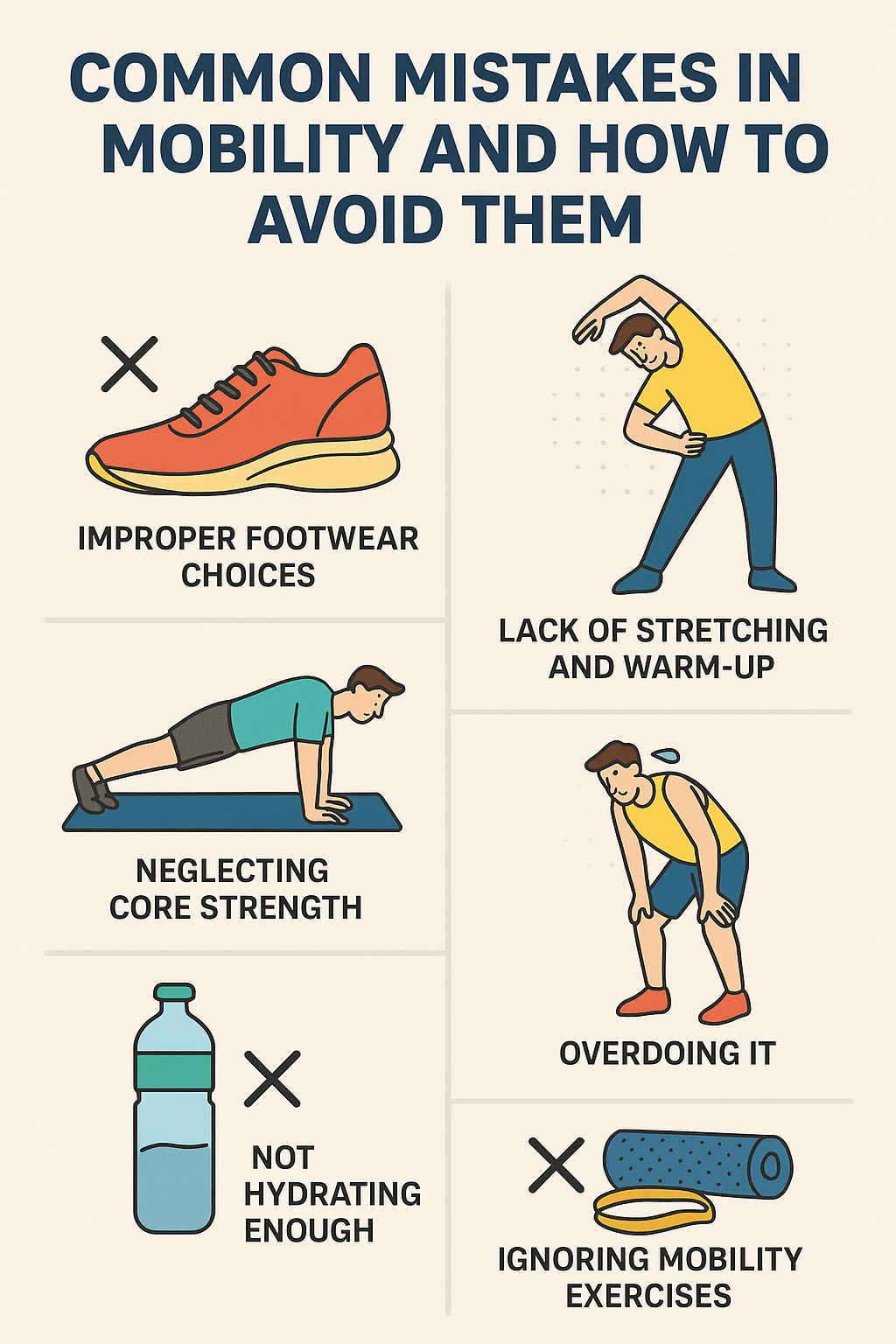
Improper Footwear Choices
One of the most common mistakes people make in mobility is wearing inappropriate shoes. Selecting the wrong footwear can lead to discomfort and injury. Here are some tips to help you choose the right shoes:
- Comfort: Always prioritize comfort over style. Shoes should fit well and provide ample support.
- Activity-Specific: Use footwear designed for specific activities, whether you are running, walking, or training.
- Regular Replacement: Shoes lose their support over time, so replace them regularly to prevent injury.
Lack of Stretching and Warm-Up
Many people skip stretching or proper warm-up before physical activities. This negligence can lead to muscle strain or injury. Always incorporate a routine that includes:
- Dynamic stretches: Before engaging in any physical activity, perform dynamic stretches to warm up your muscles.
- Cooldown: After exercising, take time to cool down and stretch to prevent stiffness.
Neglecting Core Strength
A strong core is vital for stability and balance, which are crucial for mobility. Weak core muscles can lead to poor posture and increased risk of falls. You can avoid this mistake by:
- core exercises: Include planks, bridges, and abdominal crunches in your workout routine.
- Using support: Seek guidance from a physical therapist or personal trainer if you need advice on building core strength.
Overdoing It
Many individuals push themselves too hard, leading to fatigue and potential injuries. This mistake often occurs when there is a desire to achieve quick results. To avoid burnout and injuries, try these strategies:
- Set realistic goals: Align your expectations with your current fitness level and gradually increase activity intensity.
- Listen to your body: Pay attention to signs of fatigue or pain, and give yourself adequate rest time.
Not Hydrating Enough
Hydration is often overlooked but crucial for maintaining mobility. Dehydration can lead to fatigue and decrease muscle performance. Keep in mind the following hydration tips:
- Drink water regularly: Aim to drink water throughout the day, especially before, during, and after exercise.
- Consider electrolytes: If engaging in prolonged physical activity, replenish your body with electrolytes to maintain balance.
Ignoring Mobility Exercises
Failing to incorporate mobility exercises can restrict your range of motion and flexibility. These exercises help maintain joint health and overall mobility. You can improve your mobility by:
- Scheduling mobility workouts: Dedicate time each week for specific mobility training, focusing on areas like hips, shoulders, and ankles.
- Utilizing mobility tools: Employ foam rollers or resistance bands in your routine to enhance muscle elasticity and joint mobility.
Inadequate Recovery Time
Some individuals do not allow their bodies enough time to recover after physical activities, leading to increased injury risk. Prioritize recovery by following these tips:
- Rest days: Integrate rest days in your workout schedule to enable muscle recovery.
- Quality sleep: Aim for 7-9 hours of restful sleep each night to support muscle restoration and overall health.
Neglecting Professional Guidance
It’s essential not to go through your fitness journey alone. Many people make the mistake of neglecting professional guidance when needed. This can include:
- Seeking personal trainers: They can provide tailored workouts that suit your specific mobility needs.
- Consulting physical therapists: If you have existing injuries or conditions, they can assist in creating recovery-focused programs.
By paying attention to these common mistakes in mobility, you can substantially improve your ability to move comfortably and effectively. Making small adjustments in your daily habits will result in long-term benefits, improving not just your mobility but your overall quality of life.
The Impact of Poor Mobility on Daily Life
Mobility is an essential part of our daily lives, impacting everything from basic self-care to our ability to connect with others. When mobility is impaired, daily routines can become overwhelming. Understanding the repercussions of poor mobility is vital, especially as many people experience changes with age or due to health conditions.
Physical Limitations
One of the most immediate effects of poor mobility is the limitation it places on physical activities. Walking, standing, or even turning can become strenuous. This can lead to a cycle of inactivity, where the lack of movement further weakens muscles and joints. Longer periods of immobility can also contribute to obesity and cardiovascular diseases, creating a domino effect on health.
Emotional State
Mobility challenges can also lead to emotional distress. Feelings of frustration or sadness can surface when daily tasks become daunting. Social isolation often follows, as the inability to move freely can deter individuals from participating in activities that once brought joy. This emotional toll can escalate into more serious mental health issues like anxiety or depression.
Effects on Relationships
Having mobility issues can strain relationships with family and friends. You may miss social engagements or find it difficult to keep up with loved ones. This can lead to sense of disconnection. Additionally, family members may become caregivers, which can create stress or resentment if it feels overwhelming. Open communication about these feelings is essential to maintain healthy relationships.
Impact on Daily Responsibilities
Daily responsibilities are often impacted by poor mobility. Simple tasks such as grocery shopping, cooking, or cleaning may require assistance or significant effort. This can hinder independence, causing dependency on others, which can lead to a feeling of loss of control over one’s life. Here are a few key areas that can suffer:
- Personal Care: Bathing, dressing, and grooming can become challenging, requiring modifications or assistance.
- Household Chores: Maintaining a clean and organized home can be a daunting task, making it easy to let things slide.
- Transportation: Getting to appointments or social gatherings can become a logistical problem, limiting your ability to engage in everyday life.
Effects on Employment
For those in the workforce, poor mobility may limit job opportunities. Physical jobs become more challenging, while the stress of working conditions can exacerbate mobility issues. Those with mobility problems may also experience discrimination in hiring practices. Remote work options have increased in popularity, but they may not be suitable for all job types. The fear of losing one’s job can lead to heightened anxiety and diminished job performance.
Financial Implications
The financial burden of poor mobility can be significant. Medical expenses related to treatment, rehabilitation, or specialized equipment like wheelchairs can quickly accumulate. Additionally, losing the ability to work may lead to decreased income and increased reliance on savings or social programs. Budgeting becomes crucial to manage these expenses effectively.
Preventive Measures and Solutions
Addressing mobility issues early can prevent further complications. Here are some helpful strategies:
- Regular Physical Activity: Engaging in low-impact exercises such as swimming or yoga can strengthen muscles and improve balance.
- Healthy Diet: Eating a balanced diet can prevent obesity and improve overall health.
- Assistive Devices: Using canes, braces, or mobility scooters can help regain some independence and ease movement.
- Physical Therapy: Professional guidance can significantly aid in restoring mobility and strength through tailored programs.
While poor mobility can disrupt many aspects of your daily life, understanding its impact can empower you to take action. Whether addressing physical, emotional, or logistical challenges, knowing that support and strategies are available can make a significant difference in managing life with mobility issues. The journey may require adjustments, but it can still lead to a fulfilling and engaged life.
Tips for Enhancing Mobility in Different Age Groups
Mobility is a fundamental aspect of life, affecting how we interact with our surroundings and enhancing our overall well-being. Different age groups face unique challenges that can influence their mobility. Here are some practical tips tailored for children, adults, and seniors to enhance their mobility.
Children
Encouraging physical activity in children is crucial for their development. Here are some effective ways to enhance mobility:
- Active Play: Encourage children to engage in active play such as running, jumping, and climbing. Simple games like tag or scavenger hunts provide excellent opportunities for physical movement.
- Sports Participation: Introducing sports at an early age can help children build coordination and strength. Consider enrolling them in local teams or classes that emphasize skill development and fun.
- Limit Screen Time: Too much time spent on screens can lead to a sedentary lifestyle. Set limits on daily screen time, encouraging outdoor activities instead.
- Incorporate Movement into Routine: Make walking or biking a regular part of their daily routine, such as walking to school or biking with friends to the park.
Adults
For adults, maintaining mobility can often become a challenge due to busy lifestyles or work-related issues. Here are ways to stay active:
- Regular Exercise: Aim for at least 150 minutes of moderate aerobic activity each week. Activities like brisk walking, swimming, or cycling can significantly improve mobility.
- Strength Training: Incorporate strength training exercises two or more days a week. Building muscle helps improve balance and reduces the risk of injuries.
- Stretching: Perform stretching exercises daily to maintain flexibility. Incorporate stretches for major muscle groups to keep joints healthy and improve range of motion.
- Mindful Movement: Consider yoga or tai chi, which focus on gentle movement and have been shown to enhance balance and coordination.
- Stay Consistent: Create a routine or join a fitness group to stay motivated. Consistency is key to enhancing long-term mobility.
Seniors
As individuals age, maintaining mobility becomes even more critical for staying independent. Here are some tips for seniors:
- Consult Health Professionals: Before starting any new exercise program, always consult with a healthcare provider. They can provide recommendations based on individual health conditions.
- Low-impact Exercises: Engage in low-impact activities like walking, swimming, or water aerobics that are easy on the joints yet effective in maintaining strength and coordination.
- Balance Exercises: Practices that focus on balance, such as standing on one leg or using equipment like balance boards, can prevent falls and improve stability.
- Use Assistive Devices: If needed, utilize canes or walkers to maintain mobility and prevent falls. Don’t hesitate to seek advice on the right devices.
- Social Engagement: Join community fitness classes for seniors, which can provide motivation and support while enhancing both social skills and mobility.
Developing mobility-enhancing habits does not only improve physical health but also boosts mental well-being across all age groups. Create an environment that encourages movement, regardless of age. Set realistic goals and celebrate the achievements along the way. The journey of enhancing mobility is ongoing and evolving, but with mindfulness and effort, everyone can improve their ability to move through life with ease.
The Role of Technology in Improving Mobility
The advancement of technology has significantly transformed various aspects of our lives, and mobility is no exception. From electric vehicles to smart public transportation systems, the role of technology in improving mobility is vital for enhancing convenience, efficiency, and safety.
Transportation has evolved drastically over the last few decades. Here are some ways technology is enhancing mobility:
- Smart Transport Systems: Cities are now implementing smart transportation systems that use real-time data to improve traffic flow. Sensors and cameras track vehicle movement, allowing traffic lights to adapt dynamically, reducing congestion and travel time.
- Public Transportation Apps: Mobile applications enabling users to plan their trips, check schedules, and receive real-time updates have created a more user-friendly public transport experience. By providing accurate arrival times and service notifications, these apps encourage more people to utilize public transit.
- Electric and Autonomous Vehicles: The rise of electric vehicles (EVs) contributes to cleaner air and a reduced carbon footprint. Likewise, autonomous vehicles are set to revolutionize transportation by increasing safety and accessibility, especially for those who cannot drive.
- Bike-Sharing Platforms: Digital platforms that facilitate bike-sharing have made short commutes easier, healthier, and environmentally friendly. Users can easily find and rent bikes through their smartphones, which encourages a culture of cycling in urban areas.
- Telecommuting Tools: Technology that allows for remote work reduces the need for daily commutes, easing traffic during peak hours. Video conferencing and collaboration tools enable efficient communication, allowing people to engage in their work without the need to travel.
Technological innovations also pave the way for enhanced accessibility in mobility. Many tech initiatives focus on making transportation inclusive for everyone, including individuals with disabilities. Here are some key advancements:
- Apps for Accessible Transport: Several applications specialize in helping those with mobility challenges. These apps identify wheelchair-friendly routes and vehicles, ensuring that people with disabilities can travel safely and conveniently.
- Voice-Activated Technology: Voice recognition systems are integrated into cars and public transport, aiding visually impaired users in navigating their travels without needing additional help.
- Smart Infrastructure: Modern infrastructure designs include features like tactile paving and auditory signals, making public spaces more navigable for everyone, especially those with vision or hearing impairments.
Moreover, data analytics plays a crucial role in enhancing mobility strategies. Consistent data collection and analysis make it possible for municipalities to understand transportation trends and peak traffic times. This understanding enhances public transit service planning, encourages better road maintenance, and ultimately minimizes travel stress for commuters.
Another notable aspect is the integration of various modes of transport through technology. Mobility as a Service (MaaS) is a subscription-based model that combines different forms of transport into a single accessible package. This includes everything from public transport to bike rentals, all coordinated through one convenient app. With MaaS, users can seamlessly plan and pay for their journeys with just a few taps on their smartphones.
In urban areas, where congestion is a persistent problem, technology can help streamline traffic management significantly.
- Traffic Jam Alerts: Navigational apps equipped with real-time traffic data notify drivers of congestion, enabling them to choose alternative routes.
- Dynamic Toll Pricing: Some cities utilize dynamic pricing for tolls, increasing during peak hours to encourage drivers to avoid congested routes.
Artificial intelligence (AI) is revolutionizing the transport sector. AI-driven algorithms predict travel patterns, optimize traffic control systems, and even assist in autonomous driving technology. In the long run, this continuous innovation aims to contribute to smoother and safer journeys for everyone on the road.
As technology evolves, the potential for improved mobility increases exponentially. From smarter city planning to innovative transport solutions, these advancements allow us to move more efficiently, safely, and sustainably. By leveraging technology in mobility, we can shape a future with less congestion, reduced emissions, and enhanced accessibility for all.
Understanding the Connection Between Mobility and Overall Health
Mobility plays a crucial role in maintaining overall health and well-being. The connection between how easily we move our bodies and our physical and mental health is significant. Understanding this relationship can help you make informed choices to enhance your mobility, which in turn improves your health.
First and foremost, mobility refers not just to physical movement but also to how we navigate and interact with our environment. Whether it’s walking, running, or even getting up from a chair, our ability to move affects our quality of life. Yet, many overlook the importance of staying mobile until issues arise. Here are some common insights about how mobility interacts with overall health:
- Physical Fitness: Regular movement strengthens muscles, improves circulation, and enhances flexibility. All these aspects contribute to overall physical fitness. When you keep your body active, you reduce the risk of chronic diseases such as obesity, diabetes, and heart disease.
- Mental Health: Moving your body can significantly boost your mood. Exercise releases endorphins, which are natural mood lifters. Engaging in regular physical activities can help reduce feelings of anxiety and depression.
- Social Interaction: Mobility facilitates social connections. Participating in group activities, whether it’s a yoga class, dance lessons, or a simple walk with friends, helps foster social bonds that are vital for emotional health.
- Independence: For older adults in particular, maintaining mobility is key to independence. Being able to move freely allows individuals to carry out daily tasks without assistance, promoting self-esteem and quality of life.
Despite the clear benefits, many people make mistakes that can hinder their mobility. Being aware of these common missteps can empower you to take action and improve your movement patterns.
- Inactivity: A sedentary lifestyle is one of the biggest threats to mobility. Sitting for prolonged periods can weaken muscles and reduce flexibility. It’s essential to integrate movement into your daily routine, even in small ways. Simple changes, such as standing up to take phone calls or doing light stretches during breaks, can make a difference.
- Poor Posture: Bad posture can lead to discomfort and limit your mobility. Whether you’re working at a desk or using your phone, be mindful of your posture. Keeping your spine aligned and adjusting your workspace can help alleviate strain.
- Lack of Balance and Coordination Training: Many individuals focus on strength training but neglect balance exercises. Balance is crucial for preventing falls, especially as we age. Engaging in activities like tai chi or yoga can enhance your coordination and stability.
- Ignoring Pain Signals: Pain is your body’s way of communicating that something is wrong. Ignoring pain or trying to push through it can exacerbate mobility issues. It’s essential to listen to your body and consult a healthcare professional if discomfort persists.
To enhance your mobility effectively, consider incorporating the following strategies into your routine:
- Stretch Regularly: Flexibility is key for improving mobility. Incorporate stretching exercises into your daily routine to maintain and enhance your range of motion.
- Engage in Regular Physical Activity: Aim for at least 150 minutes of moderate-intensity aerobic activity each week. This could include walking, cycling, or swimming. Additionally, incorporate strength training exercises at least two times per week.
- Stay Hydrated: Proper hydration supports muscle function and can help reduce the risk of injury. Keep water nearby and ensure you’re drinking enough throughout your day.
- Seek Professional Guidance: If you’re unsure where to start, consider working with a physical therapist or fitness trainer. They can tailor a mobility plan specific to your needs.
Improving your mobility boosts your physical health but also enhances your mental and emotional well-being. By understanding the importance of maintaining mobility and avoiding common pitfalls, you can significantly improve your overall health. Always remember, the effort you put into staying active today pays off in the form of better health, greater independence, and a more fulfilling life tomorrow.
Conclusion
Taking the time to understand and address the common mistakes in mobility can vastly improve your daily life. You may have realized how poor mobility affects not only your physical well-being but your mental health as well. From getting around your home to enjoying outdoor activities, mobility holds a key role in your overall happiness and quality of life.
Enhancing mobility is essential for individuals across all age groups. Simple exercises and stretches appropriate for your age can help maintain and improve your movement capabilities. Additionally, incorporating adaptive technology can also play a significant role in facilitating better mobility. From mobility aids to innovative apps, these tools can empower you to stay active and engaged.
Recognizing the deep connection between mobility and overall health can motivate you to make necessary changes. Improved mobility can lead to better cardiovascular health, enhanced joint function, and even a boost in mental clarity. By focusing on common mistakes and addressing them proactively, you can elevate your mobility and, by extension, your quality of life.
Remember, it’s never too late to make adjustments. Whether you’re addressing mobility challenges for yourself or helping someone else, small, consistent efforts can lead to significant improvements. By prioritizing mobility and leveraging technology, you are investing in a healthier, more active future. Embrace these insights, and watch your everyday life transform for the better.
Amazon and the Amazon logo are trademarks of Amazon.com, Inc, or its affiliates.