Optimizing Men’s Health Through Smart Technology Integration
As an Amazon Associate I earn from qualifying purchases.
 Optimizing Men’s Health Through Smart Technology Integration Today
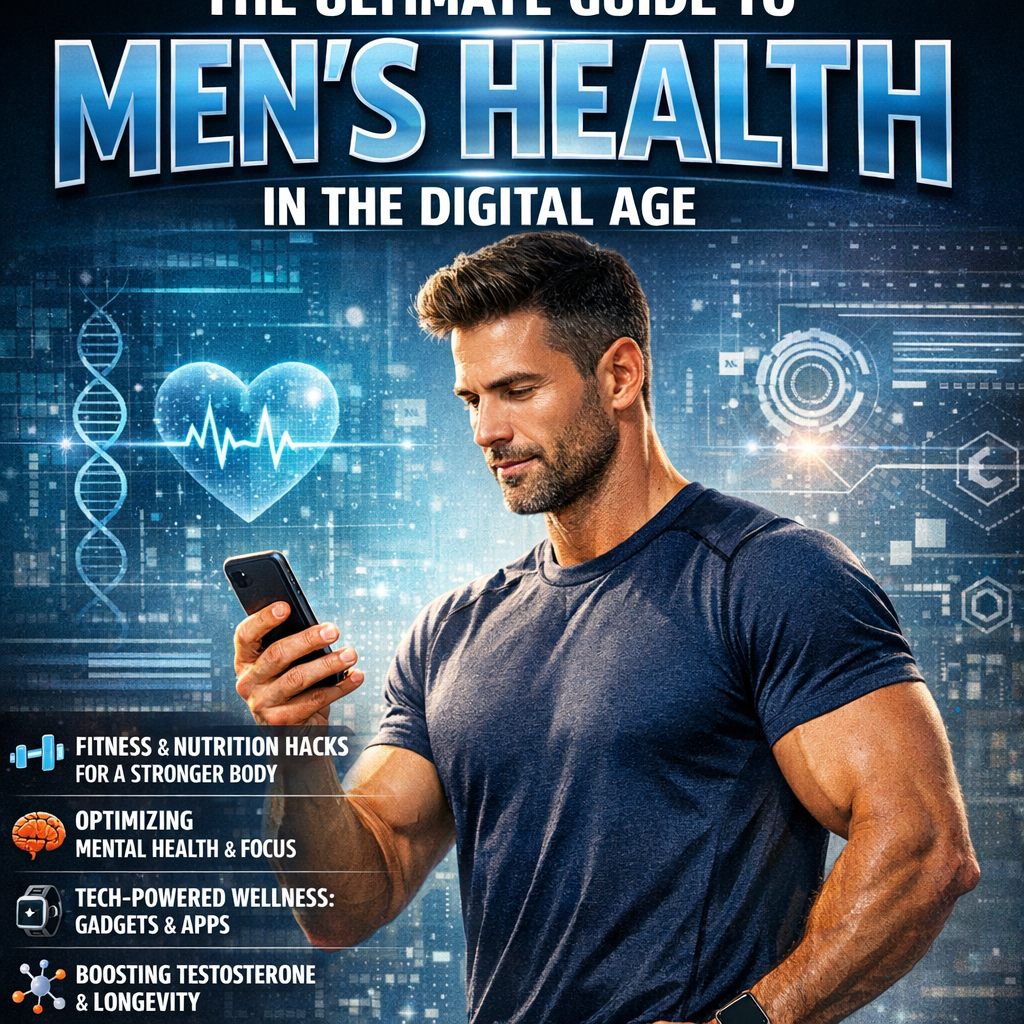
Let’s be honest. For most of us, managing our health feels like another item on an endless to-do list. We know we should exercise, eat better, and maybe even chill out a bit, but life gets in the way. I used to feel the same, juggling work and family while my own well-being took a backseat. Then I started paying attention to the little computer in my pocket and on my wrist. I realized that optimizing men’s health technology integration isn’t about becoming a cyborg. It’s about using smart tools to make healthy choices easier, more informed, and honestly, kind of fun. This guide is your roadmap. We’ll cut through the noise and look at the tech that actually works for fitness, food, mental strength, and prevention. Forget the hype; we’re focusing on practical tools you can start using today to build a stronger, healthier you.
Optimizing Men’s Health: Why Technology Integration is the Game-Changer
For decades, men’s health advice was pretty static. See a doctor once a year, try to hit the gym, and maybe cut back on red meat. The problem was a massive gap between knowing what to do and actually doing it consistently. That’s where smart technology integration changes everything. It closes that gap by providing real-time feedback, personalized data, and a level of accountability that a yearly physical simply can’t match. Think of it as having a coach, nutritionist, and health consultant in your pocket, available 24/7.
The real power isn’t in one single gadget or app. It’s in the integration—the way these tools talk to each other to give you a complete picture of your health. Your smartwatch tracking your sleep, your meal app logging your protein, and your meditation timer noting your stress levels can, together, reveal patterns. Maybe you see that poor sleep leads to lousy workouts and junk food cravings. That insight is gold. This holistic approach is the core of optimizing men’s health technology integration. It moves us from reactive care (“My knee hurts, I should do something”) to proactive management (“My recovery data says I need a rest day today to prevent injury”).
Consider the data. A study published in the Lancet Digital Health journal found that wearable devices can significantly increase physical activity levels in adults. This isn’t just about steps; it’s about creating a feedback loop. You see your heart rate, you get a nudge to stand up, you celebrate hitting a goal. That positive reinforcement builds lasting habits. For men over 40, this is crucial. Our bodies demand more strategic care, and technology provides the intelligence for that strategy. It empowers us with knowledge, turning vague health intentions into clear, actionable data points we can actually use.
The Fitness Tech Stack: Beyond Basic Step Counting
If your idea of fitness tech is a pedometer from 2005, you’re in for a treat. Today’s tools are sophisticated coaches. We need to move past simple step counts and build a “tech stack”—a suite of apps and devices that work together for specific goals. For men navigating their 40s, 50s, and beyond, the focus shifts from pure bulk to sustainable strength, mobility, and injury prevention.
Smartwatches and GPS Fitness Trackers
These are the command centers. Modern devices from brands like Garmin, Apple, and Whoop do far more than tell time. They track heart rate variability (HRV), a key indicator of recovery and stress. They monitor blood oxygen levels during sleep. They use GPS to map your runs, rides, and hikes with pinpoint accuracy. The best fitness apps for men over 40 are often baked right into these devices or sync with them seamlessly. They can guide you through interval training, track your rep counts in the weight room, and even warn you if you’re overtraining by comparing your workout load to your recovery score.
Form and Technique Assistants
This is where tech gets really clever. Apps like Nike Training Club offer free, high-quality video workouts for every level. But for the guy serious about lifting, tools like the RepCount sensor or apps using your phone’s camera can analyze your squat, deadlift, or bench press form. They provide real-time feedback on your bar path, depth, and symmetry, helping you lift heavier and safer. This is invaluable for preventing the nagging injuries that can derail progress as we age.
Building your stack means choosing tools that align with your primary goal. Is it running a faster 5K? A GPS watch with advanced running dynamics is key. Is it building functional strength at home? A subscription to a service like Fitbod or Future Coaches, which creates personalized plans based on the equipment you have, is a game-changer. The data from these tools removes guesswork. You’re not just “working out”; you’re executing a data-informed plan, which is the most efficient path to results.
Fueling Gains: Nutrition Planning Apps for Muscle Building
You can’t out-train a bad diet, especially when muscle building is the goal. But meal planning for macros—protein, carbs, and fats—can feel like a part-time job. This is where nutrition planning apps for muscle building become your secret weapon. They automate the tedious math and help you make food choices that directly support your physique goals.
The top-tier apps go beyond simple calorie counting. Take MyFitnessPal or Cronometer, for example. You scan a barcode or search a massive food database, and it breaks down not just calories, but the exact grams of protein, carbs, fats, fiber, and micronutrients. For muscle growth, hitting a daily protein target is non-negotiable. These apps let you set that target and track your progress throughout the day, so you know if you need to add a shake or some chicken breast at dinner.
For more advanced planning, apps like EatThisMuch take it a step further. You input your dietary preferences, calorie and macro goals, and how many meals you want. The app then generates a complete meal plan and shopping list for you. It solves the “what should I eat?” problem before it even starts. If you’re following a specific diet like keto or paleo, these tools can filter recipes and suggestions to keep you on track. The integration is powerful here, too. Many of these apps can pull your calorie burn data from your fitness tracker, dynamically adjusting your daily calorie budget based on whether you had a rest day or a brutal two-hour gym session.
The result is precision. Instead of vaguely “eating clean,” you know that consuming 180 grams of protein, spaced across four meals, is what your body needs to repair and grow. It turns nutrition from an abstract concept into a daily, actionable target. This level of detail is what separates hoping for results from engineering them. For a deep dive into protein needs, the American College of Sports Medicine provides excellent guidelines that these apps help you implement.
The Overlooked Pillar: Mental Health Support for Men Online
For too long, the message to men has been to tough it out. That mentality is not only outdated; it’s dangerous. Stress, anxiety, and unresolved issues don’t just affect your mind; they wreck your sleep, spike cortisol (which kills muscle gains), and impact every aspect of physical health. The rise of mental health support for men online therapy platforms has been a quiet revolution, providing a private, accessible, and stigma-free way to address this critical pillar.
Platforms like BetterHelp and Talkspace connect you with licensed therapists via text, voice, or video chat. You can do sessions from your car, your home office, or anywhere you feel comfortable. This flexibility is huge for men with busy schedules who might see traditional therapy as a logistical hurdle. The ability to text your therapist between sessions means you can process things in real-time, not just during a weekly 50-minute window. For issues like work stress, relationship challenges, or just managing the general pressures of life, this ongoing support is incredibly effective.
Beyond therapy, meditation and mindfulness apps like Calm or Headspace offer targeted tools. They have programs for improving focus, managing anxiety, and even sports performance. Many smartwatches now include guided breathing exercises that prompt you to take a one-minute stress break when your device notices elevated heart rate or stress signals. This isn’t just “feeling zen.” It’s a practical skill for regulating your nervous system, which directly improves decision-making, recovery, and resilience. Integrating this mental tech into your routine signals that taking care of your mind is as routine and important as taking care of your body. It’s a fundamental part of a truly optimized health strategy.
Sleep and Recovery: Letting Tech Handle the Hard Reset
Sleep is where the magic happens—muscle repair, hormone regulation, memory consolidation. Yet, it’s often the first thing we sacrifice. You can’t manage what you don’t measure, and that’s where sleep tech shines. It moves you from saying “I slept okay” to knowing you got 1.2 hours of deep sleep, your resting heart rate was 8 BPM lower than your baseline, and your sleep latency was 12 minutes.
Devices like the Oura Ring, Fitbit Sense, or Whoop Strap are sleep-tracking powerhouses. They use sensors to track your sleep stages (light, deep, REM), your body temperature, and even your respiration rate. The morning report isn’t just a score; it’s actionable insight. If your deep sleep was low, maybe you need to cut off caffeine earlier. If your sleep was restless, perhaps that late, heavy dinner was to blame. Some devices will even give you a “Readiness” or “Recovery” score, suggesting whether you should train hard or take it easy based on how well your body has repaired itself overnight.
To improve sleep, tech also offers environmental controls. Smart thermostats can lower the bedroom temperature at your bedtime, a proven sleep aid. White noise machines or smart speakers can play soundscapes to mask disruptive noise. Sunrise alarm clocks that gradually brighten to simulate dawn can lead to more natural, gentle awakenings. When you sync this data with your fitness and nutrition apps, you get a powerful feedback loop. You can literally see how a poor night’s sleep leads to worse workout performance and higher cravings for sugary foods the next day. This makes prioritizing sleep a data-driven decision, not just good advice you ignore.
Preventive Power: Wearables for Heart Health and Early Warnings
This is where consumer tech starts to blur the lines with clinical-grade monitoring. Modern wearables are powerful preventive tools, especially for heart health—a top concern for men as they age. The ability to passively and continuously monitor key vitals provides an early warning system that was unthinkable a generation ago.
Take the ECG (electrocardiogram) app now available on many smartwatches. While not a replacement for a medical-grade ECG, it can detect signs of atrial fibrillation (AFib), an irregular heart rhythm that significantly increases stroke risk. Users have literally been alerted by their watch to seek medical care, potentially saving their lives. Similarly, continuous heart rate monitoring can alert you to unusually high or low resting heart rates, which can be indicators of various issues. Blood oxygen (SpO2) monitoring, popularized during the pandemic, provides another data point on your overall respiratory and circulatory health.
The preventive power is in the trend analysis. A single high heart rate reading might be nothing. But if your watch notices a steady, creeping increase in your resting heart rate over several weeks, it could signal overtraining, illness, or heightened stress. This longitudinal data is incredibly valuable to share with your doctor. It provides a record of your body’s patterns outside the 10-minute clinic visit. Resources like the American Heart Association’s warning signs page are essential knowledge, and your wearable acts as a daily check on those vital signs. This is proactive health management at its finest, turning your device into a guardian that’s always on watch.
Building Your Digital Health Hub: Syncing Apps and Data
Having a dozen great apps is pointless if they exist in isolation. The true magic of optimizing men’s health technology integration happens when you create a centralized hub where all your health data flows together. This gives you a single, comprehensive dashboard of your well-being. Think of it as your personal mission control for health.
For iPhone users, the Apple Health app is a fantastic, built-in hub. It can pull in steps from your watch, weight from your smart scale, mindfulness minutes from Calm, nutrition data from MyFitnessPal, and lab results from participating clinics. Android users have Google Fit, which serves a similar purpose, though it may require a bit more manual setup with third-party apps. There are also powerful third-party platforms like Strava (great for athletes) or even
Amazon and the Amazon logo are trademarks of Amazon.com, Inc, or its affiliates.