Gardening and Your Mental Health
As an Amazon Associate I earn from qualifying purchases.
You probably think cognitive decline is inevitable. A slow fade. Maybe you’ve already accepted that your memory will slip, your focus will scatter, and the mental sharpness you had at thirty becomes a luxury you can’t afford.
The Washington Post recently covered research that flips this assumption on its head—and the findings are surprisingly straightforward. Gardening doesn’t just produce tomatoes and flowers. It produces measurable improvements in brain health.
Here’s what makes this different from the usual “stay mentally active” advice: gardening works on multiple neurological systems at once. It’s not a single intervention. It’s a compound one.
Why Soil Matters More Than You Think
Most people assume cognitive benefits come from mental challenge—crossword puzzles, chess, learning languages. Those are all valid. But gardening hits a neurological sweet spot that isolated brain games don’t touch.
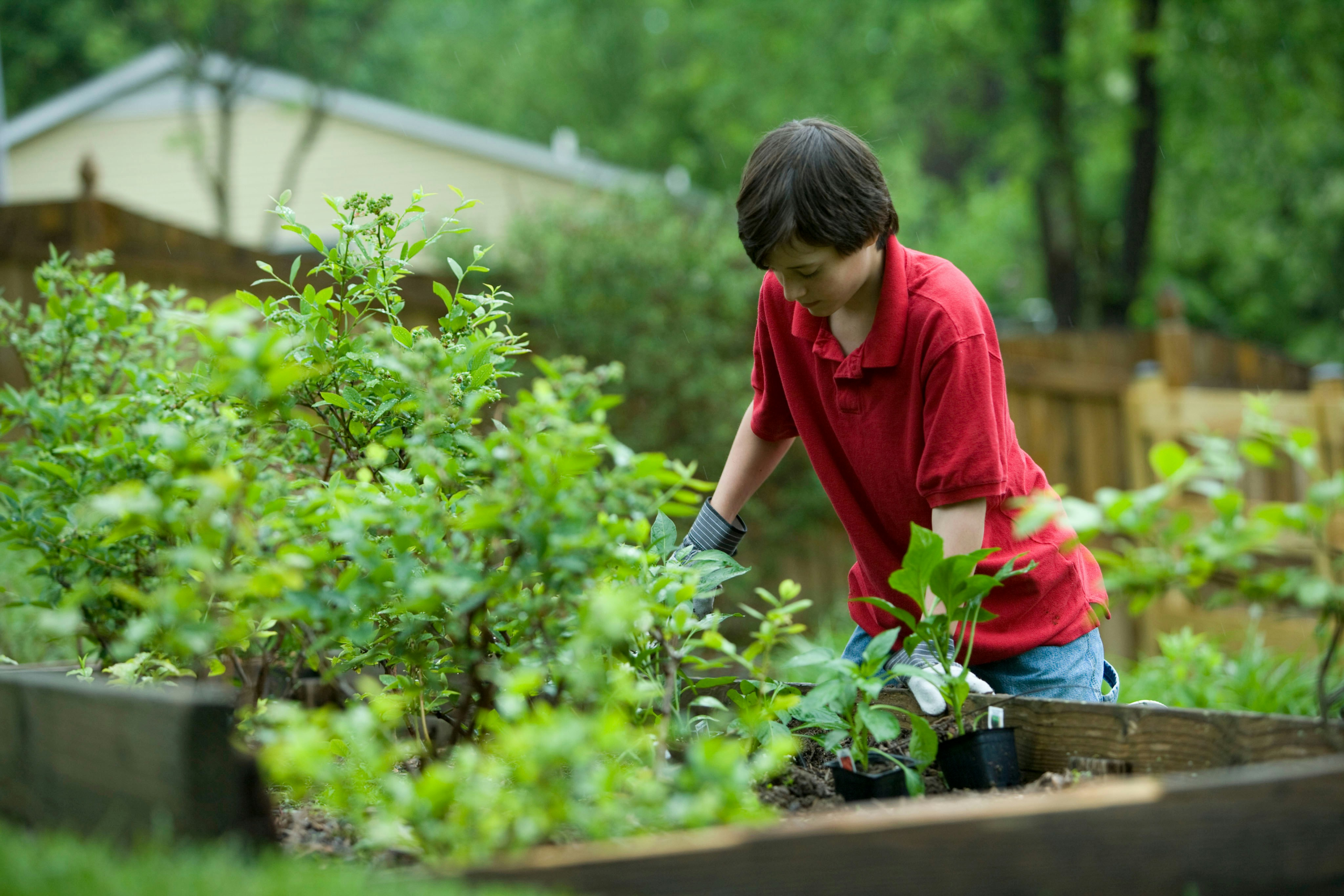
When you garden, you’re not just thinking. You’re moving. Your hands are engaging fine motor control. Your body is managing balance and spatial awareness. You’re exposed to sunlight, which regulates circadian rhythm and boosts vitamin D production—a nutrient directly linked to brain function. You’re engaging with soil microbiota that influences your gut-brain axis. And you’re doing all of this while solving real problems: Why isn’t this plant thriving? What spacing does this crop need? What’s eating my lettuce?
The cognitive load is organic, not artificial. Your brain isn’t pretending to solve a puzzle. It’s solving actual puzzles that matter to you.
The Neurochemistry of Getting Your Hands Dirty
Here’s the part that usually doesn’t make it into wellness articles: soil contains compounds that influence mood and cognition directly.
Mycobacterium vaccae—a bacterium found in soil—activates serotonin pathways when it contacts your skin or respiratory system. The same bacteria has been studied for its potential to reduce anxiety and support mood stability. You don’t need to eat it or even consciously think about it. Exposure during gardening counts.
Add to that the sustained, low-intensity physical activity gardening requires. You’re not sprinting. You’re not straining. You’re moving consistently at a pace that elevates heart rate without creating cortisol spikes. This type of movement supports neurogenesis—the actual growth of new neurons—particularly in the hippocampus, the brain’s memory center.
Combine the microbial exposure, the movement, the problem-solving, and the sensory richness (texture, smell, temperature variation), and you’ve got a cognitive intervention that’s almost impossible to replicate in a gym or sitting at a desk.
Who Benefits Most (and Why Age Changes Everything)
Older adults show the most dramatic cognitive benefits from gardening. The research tracks improvements in memory, attention, processing speed, and executive function—the mental skills that typically decline first with age.
But here’s the surprise: it’s not because gardening is harder for older people. It’s because older adults often need multi-system engagement. Their brains don’t respond well to single-modality interventions. A crossword puzzle activates language centers. Gardening activates language, spatial reasoning, fine motor planning, cardiovascular function, immune response, and social engagement (if you’re gardening with others) simultaneously.
That redundancy is neurologically protective. If one system falters, the others compensate. Your brain becomes more resilient.
Younger people benefit too, but differently. For them, gardening functions as a stress-reduction tool and a break from the cognitive fatigue of screen-based work. The benefits are real but less dramatic than for aging brains.
The Practical Takeaway: You Don’t Need a Backyard
The barrier most people hit: “I don’t have space.” Or “I live in an apartment.” Or “I’ve never gardened before.”
None of these are blockers.
Container gardening works. Windowsill herb gardens work. Community garden plots work. Even small-scale gardening—a few pots on a balcony—delivers the neurological benefits because the mechanism isn’t about scale. It’s about the contact, the engagement, and the sustained focus on living systems.
Start small. Pick something that won’t die if you forget about it for a week. Herbs are forgiving. Succulents are nearly indestructible. As your routine solidifies, you can expand.
The goal isn’t to become a master gardener. It’s to regularly engage your hands, your attention, and your exposure to soil-based compounds. The cognitive benefits follow naturally from that engagement.
Why This Matters Now
Cognitive health gets framed as a puzzle to solve through supplements, apps, or expensive programs. Those have their place. But the most evidence-backed intervention is also one of the cheapest and most accessible: putting your hands in soil on a regular basis.
You don’t need permission. You don’t need special equipment. You need dirt, seeds or plants, water, and consistency.
Your brain isn’t built for decline. It’s built for adaptation and growth—literally. Gardening isn’t a hack. It’s returning to something your nervous system evolved to do.
Start this week. Grab a pot, some soil, and a plant. Stop waiting for a more optimal moment. Your cognitive future depends on what you do with your hands today.
Amazon and the Amazon logo are trademarks of Amazon.com, Inc, or its affiliates.