You probably think luxury travel means a five-star resort, Thailand has other plans for you.
As an Amazon Associate I earn from qualifying purchases.
You probably think luxury travel means a five-star resort, a cocktail with an umbrella, and a beach view that makes your Instagram followers jealous. Thailand has other plans for you.
Over the last few years, Thailand transformed itself into something entirely different: a destination where healing isn’t a side benefit of vacation—it’s the entire point. This isn’t wellness theater. It’s a fundamental rejection of how the West defines recovery, and it’s forcing a conversation we should all be having about what we actually mean when we say we want to get healthy.
The Shift That’s Catching Everyone Off Guard
What’s surprising here isn’t that wellness tourism exists. It’s that Thailand recognized something most Western healthcare systems haven’t yet: people want to fix the root causes of their decline, not just manage symptoms indefinitely. The country didn’t build this market by adding yoga classes to luxury hotels. It deliberately positioned itself as a place where you go to become different, not to temporarily feel better while you’re there.
This creates immediate tension with conventional medicine’s approach. Western healthcare excels at acute intervention—your appendix ruptures, you need surgery now. But for the chronic conditions that actually define how people live—metabolic dysfunction, stress-induced inflammation, lifestyle-driven disease—the model breaks down. You get prescribed medications, follow-up appointments, and a tacit acceptance that this is just your life now. Thailand’s wellness economy operates on a different premise entirely: these conditions are reversible when you change the system, not just manage the symptoms.
The real leverage point isn’t some exotic herb. It’s the reorientation of how you eat, move, sleep, and manage stress simultaneously. When you’re immersed in an environment designed around recovery—where your meals are built around metabolic support, your days include movement, your sleep is optimized—you’re not fighting your own environment. Most of us are doing exactly that at home.
Why Your Current Routine Is Designed to Fail
Let’s be direct about this: your default environment sabotages metabolic health. Your workplace has a break room with ultra-processed snacks. Your commute involves sitting. Your evening involves blue light from screens that suppresses melatonin. Your stress levels stay chronically elevated because cortisol management isn’t part of your day—it’s background radiation you’ve learned to ignore.
Thailand’s healing centers don’t just tell you what to do differently. They eliminate the friction. You don’t choose between the healthy option and the convenient option because the convenient option has been removed. That’s not deprivation. That’s architecture.
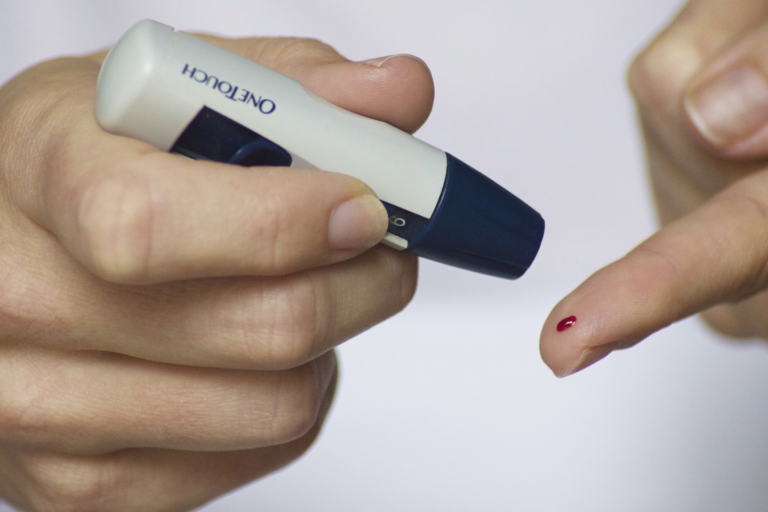
The blood glucose management industry has spent billions teaching people to care about insulin levels—and for good reason. Dysregulated blood sugar is upstream of metabolic disease, weight gain, cognitive decline, and accelerated aging. But knowing you should keep blood glucose stable is different from living in an environment where every choice automatically supports that goal. Thailand’s wellness resorts don’t require you to have the discipline of a monk. They require you to show up.
The Investment Argument Nobody’s Making
Here’s the economic blind spot: Western medicine treats wellness as a luxury indulgence. Health insurance won’t cover a two-week stay at a healing retreat because it’s categorized as travel, not treatment. But compare the cost. A year of medications for Type 2 diabetes can run $5,000 to $15,000 annually—and that’s before complications. A comprehensive two-week immersion program that reverses metabolic dysfunction at the source costs less than a year of pharmaceutical management, and you leave with behavioral patterns that stick.
That math doesn’t work for the pharmaceutical industry. It works for you.
Thailand’s positioning here is almost counterintuitive. By marketing itself as luxury, it gave people permission to actually invest in recovery. It’s no longer a medical expense (which people avoid or minimize). It’s an experience (which people justify and remember). The healing happens because the framing changed, which changed the commitment level, which changed the outcome.
What Gets Lost in Translation
The one critical mistake Western adopters make is thinking they can import the destination without importing the environment. You can’t go to Thailand for two weeks, optimize everything, then return to a home and workplace designed for the opposite, and expect the results to stick. Some behavioral changes survive the transition. The metabolic reset you achieved? That requires ongoing environmental support.
This is where Thailand’s model reveals its real sophistication. They’re not selling you a two-week fix. They’re selling you initiation into a lifestyle, then connecting you with communities and resources that maintain it. You leave with education, with relationships, with proof that change is possible—and crucially, with the biological momentum to make it sustainable.
The Uncomfortable Truth
The deepest insight here isn’t about Thailand. It’s that individual willpower fails consistently when it’s fighting environmental design. We’ve been taught that health is a personal responsibility—eat less, move more, manage stress. That’s true at the margin. But at scale, health is an environmental problem. You can’t out-discipline a broken system.
Thailand’s wellness revolution works because it attacks the problem at the right level: it changes the environment, not just your choices within it. The moment you return to your normal environment, you’re fighting gravity again. The answer isn’t to live in Thailand year-round (though some people do). It’s to recognize that the limitations you experience in your health aren’t personal failures—they’re environmental constraints that you can actually change if you’re willing to redesign the system around you.
Start there. Before you book a flight or buy another supplement, examine your actual daily environment. What percentage of your choices support metabolic health versus undermine it? That gap is what you’re actually competing against. Thailand’s healing centers close that gap by design. You can do it at home too—you just have to be intentional about it.
Amazon and the Amazon logo are trademarks of Amazon.com, Inc, or its affiliates.